


Complete Guide to Selection, Installation and Maintenance of PVC Foam Boards in High-Temperature and
2026-02-26PVC Foam Board Application in High Temperature and High Humidity Environments
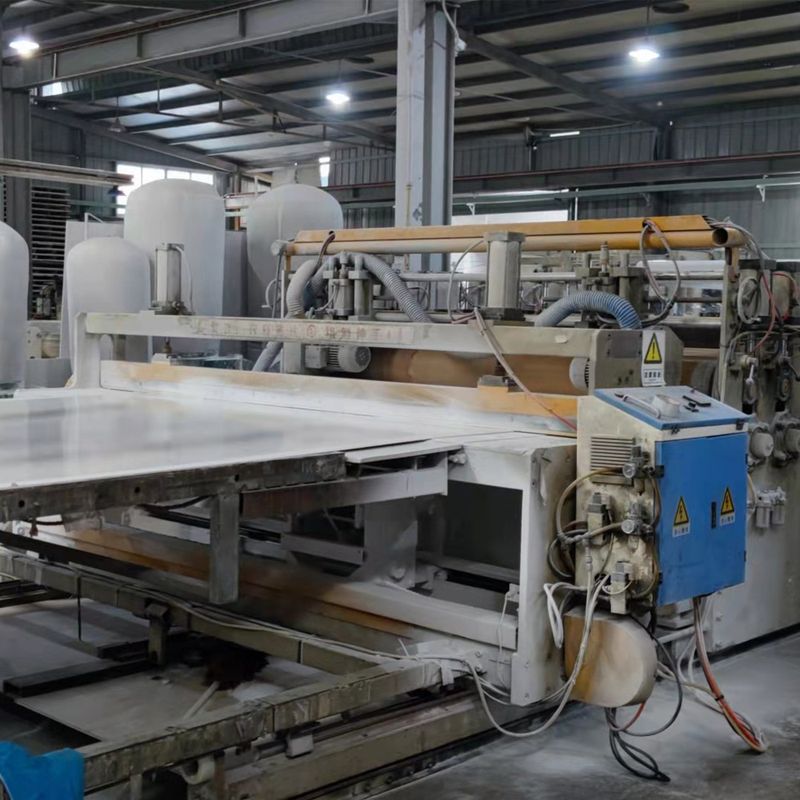
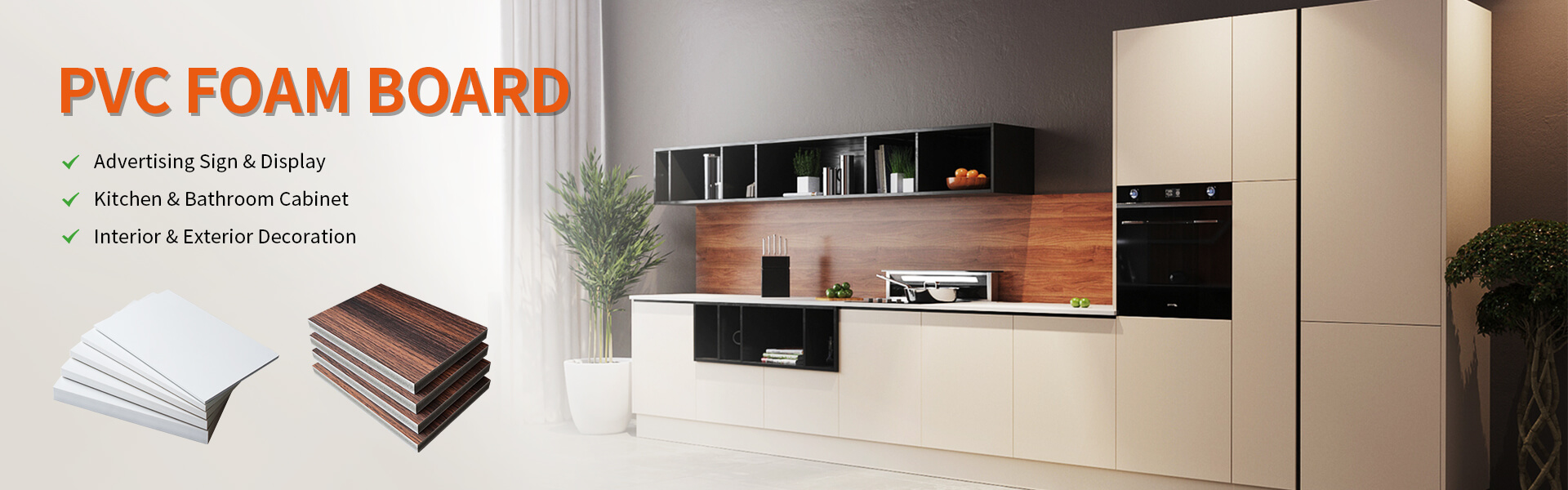
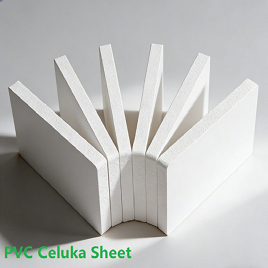
PVC foam board, also known as PVC foam sheet, celuka board or foam board, is a versatile and durable material widely used in various industries. Its unique closed-cell structure and excellent physical and chemical properties make it stand out in harsh environments, especially in high temperature and high humidity conditions. This application guide details the performance advantages, suitable scenarios, installation precautions and maintenance methods of PVC foam board in high temperature and high humidity environments, helping you make rational use of the material and maximize its service life.
1. Core Advantages of PVC Foam Board in High Temperature and High Humidity Environments
Compared with traditional materials such as wood, gypsum board and ordinary plastic boards, PVC foam board has obvious advantages in adapting to high temperature and high humidity environments, which is mainly reflected in the following aspects:
1.1 Excellent Moisture Resistance and Waterproof Performance
PVC foam board adopts advanced chemical foaming technology, and the closed-cell rate can reach more than 95%, forming hundreds of millions of independent waterproof units that can effectively block the penetration of water vapor and moisture. Unlike wooden boards that absorb water and swell (the water absorption rate of traditional wooden boards can reach 22% in high humidity environments) and gypsum boards that lose strength when damp (the strength of gypsum boards decreases by 40% when the humidity exceeds 85%), the water absorption rate of high-density PVC foam board is less than 0.3%, and even modified products can be as low as 0.1%. It will not swell, deform, rot or mold even in long-term high humidity environments, ensuring stable performance.
1.2 Good High Temperature Resistance
High-quality PVC foam board has excellent high temperature resistance. The long-term service temperature can reach -20℃ to 80℃, and the short-term high temperature resistance can reach 100℃-120℃. The Vicat softening temperature is about 75℃, and the heat distortion temperature is 63℃, which can adapt to the high temperature environment in most industrial and civil scenarios, such as the internal environment of workshops, underground garages in summer and coastal high-temperature areas. It will not soften, deform or discolor under long-term high temperature conditions, and maintains good structural stability.
1.3 Outstanding Dimensional Stability
The production of PVC foam board adopts density gradient control technology and skinning process. The surface density is 1.0-1.2g/cm³, forming a dense waterproof layer, while the core density is 0.6-0.8g/cm³, ensuring lightweight characteristics. This structure restricts the surface expansion by the core layer when the board absorbs water, reducing the overall dimensional change rate by 60%. After 500 humidity cycle tests (25℃→85℃→25℃), the modified PVC foam board has no irreversible deformation, and the dimensional change rate is only 0.09%, which is far lower than that of ordinary PVC boards (0.35%).
1.4 Corrosion Resistance and Mildew Prevention
PVC foam board has strong chemical stability, can resist the erosion of most chemicals, and is not easy to be corroded by humid air, salt spray and other substances, which is suitable for coastal high humidity and high salt environments. At the same time, by adding silver ion antibacterial agents or nano-modified technology, it can achieve zero mildew. After 28 days of exposure to 8 kinds of common molds such as Aspergillus niger and Aspergillus flavus, the mildew coverage rate is less than 1%, which is far superior to traditional materials.
1.5 Lightweight and Easy to Process
The density of PVC foam board is 0.4-1.2g/cm³, which is lighter than wood and metal materials, making it easy to cut, drill, bond and install, reducing the difficulty of construction in high temperature and high humidity environments (such as underground engineering, bathroom decoration). It can be processed into various shapes and sizes according to actual needs, and can be combined with aluminum frames, waterproof adhesives and other materials to form a complete application system.
2. Suitable Application Scenarios in High Temperature and High Humidity Environments
Based on the above advantages, PVC foam board is widely used in high temperature and high humidity environments in various industries, and the typical application scenarios are as follows:
2.1 Construction and Decoration Industry
• Bathroom and Toilet Decoration: Used as partition boards, wall panels, ceiling panels and vanity countertops in public toilets, family bathrooms and swimming pool changing rooms. It can withstand high humidity, water flushing and high temperature steam, and is easy to clean. For example, in public toilets with a daily usage frequency of more than 200 times, the PVC partition board can pass the IPX6 waterproof test, and the service life can be extended to more than 15 years, reducing maintenance costs by 70%.
• Underground Space Decoration: Used for wall decoration, ceiling panels and decorative panels in underground garages, civil air defense projects and basements (humidity up to 90% or more). Its low thermal conductivity (0.035-0.04W/(m·K)) can effectively avoid condensation, and the reserved expansion joints can absorb small deformations caused by humidity changes, solving the problem of wall dripping and flowing挂职.
• Coastal and Tropical Building Decoration: Used for exterior wall cladding, window frames, door covers and outdoor billboards in coastal areas and tropical regions with high temperature, high humidity and high salt fog. It can resist salt fog corrosion and UV aging, and maintain stable performance for a long time.
2.2 Industrial Field
• Workshop Internal Decoration: Used for wall panels, partition boards and equipment covers in high temperature and high humidity workshops such as food processing plants, chemical plants and textile factories. It is corrosion-resistant, mildew-proof, easy to clean, and can adapt to the high temperature environment in the workshop (below 80℃) for a long time.
• Water Treatment and Marine Engineering: Used for auxiliary materials such as equipment covers, operation platforms and partition boards in water treatment plants, coastal ports and ship interiors. It has excellent water resistance and corrosion resistance, and can withstand the erosion of seawater and chemical agents, which is an ideal material for marine environment applications.
2.3 Advertising and Exhibition Industry
Used for outdoor billboards, exhibition boards and light box panels in high temperature and high humidity areas. It is lightweight, easy to process, and not easy to deform and fade. After UV printing, it can maintain clear patterns and bright colors for a long time, and is suitable for short-term and medium-term outdoor use. For long-term outdoor use, UV-stabilized or co-extruded PVC foam boards can be selected to enhance aging resistance.
2.4 Other Special Scenarios
• RV and Rail Transit: Used for interior panels and sandwich materials of RVs and train carriages. It has the advantages of lightweight, heat insulation, sound insulation and moisture resistance, which can reduce the weight of the vehicle and optimize the riding experience, while adapting to the high temperature and humidity environment inside the carriage.
• Medical and Catering Fields: Used for wall panels, shelves and operating tables in clinics, canteens and food processing areas. It is non-toxic, environmentally friendly, easy to disinfect, and can resist the erosion of water vapor and food residues, ensuring a clean and hygienic environment.
3. Key Performance Parameters (Adapt to High Temperature and High Humidity)
When selecting PVC foam board for high temperature and high humidity environments, the following key performance parameters should be focused on to ensure that it meets the application requirements. The specific parameters are shown in the table below:
Performance Indicator | Test Standard | Index Value (High-Quality PVC Foam Board) | Application Significance |
Water Absorption Rate | GB/T 1034-2008 / ASTM D-570 | ≤0.3% (High-density type); ≤0.1% (Modified type) | Prevent swelling and deformation caused by water absorption in high humidity environment |
Long-term Service Temperature | In-house Test / ASTM Standard | -20℃ ~ 80℃ | Adapt to long-term high temperature environment in most scenarios |
Vicat Softening Temperature | ASTM D-648 | ≥75℃ | Prevent softening and deformation under high temperature conditions |
Dimensional Change Rate (85% Humidity, 72h) | In-house Test | ≤0.1% | Ensure structural stability in high humidity environment |
Mildew Resistance | ISO 846:1997 | Mildew coverage rate ≤1% (Modified type: zero mildew) | Avoid mold growth in high humidity environment |
Closed-Cell Rate | Microscopic Detection | ≥95% | Enhance waterproof and moisture-proof performance |
4. Installation Precautions in High Temperature and High Humidity Environments
The installation quality of PVC foam board directly affects its service life in high temperature and high humidity environments. The following precautions should be paid attention to during installation:
4.1 Surface Treatment
Before installation, the surface of the base layer (wall, ceiling, etc.) should be cleaned to ensure that it is dry, flat and free of oil, dust and other impurities. If the base layer has moisture, it should be dried first to avoid the moisture remaining between the PVC foam board and the base layer, leading to mold growth or bonding failure.
4.2 Bonding and Fixing
• Use special waterproof adhesives for PVC materials (such as PVC special solvent adhesive, neutral silicone adhesive), and avoid using ordinary adhesives that are easy to soften and fail in high temperature and high humidity environments.
• When bonding, the adhesive should be evenly applied, and the bonding surface should be fully fitted. After bonding, press it firmly for 1-2 hours to ensure that the bonding is firm. For large-area installation, expansion screws or aluminum profiles can be used for auxiliary fixing to improve stability.
4.3 Expansion Joint Reservation
PVC foam board will have a small amount of thermal expansion and contraction in high temperature and high humidity environments. Therefore, expansion joints of 2-5mm should be reserved between the boards and between the boards and the wall corners, door frames and other structures to avoid deformation, warping or cracking caused by thermal expansion and contraction. The expansion joints can be filled with waterproof sealant to ensure waterproof performance.
4.4 Avoid Direct High Temperature Irradiation
Although PVC foam board has good high temperature resistance, it should avoid long-term direct irradiation of high-temperature heat sources (such as heaters, stoves, etc.) during installation. The distance between the board and the high-temperature heat source should be more than 50cm to prevent the board from softening and deforming due to local overheating.
5. Maintenance Methods in High Temperature and High Humidity Environments
Proper maintenance can effectively extend the service life of PVC foam board in high temperature and high humidity environments. The specific maintenance methods are as follows:
5.1 Regular Cleaning
Clean the surface of the PVC foam board regularly with clean water or neutral detergent (avoid using strong acid, strong alkali detergent) to remove surface dust, dirt and water stains. For stubborn stains, you can wipe them with a soft cloth dipped in a small amount of detergent, and then rinse them with clean water to keep the surface clean and dry, which can prevent the growth of mold and the corrosion of dirt.
5.2 Regular Inspection
Check the bonding part, expansion joint and surface of the PVC foam board regularly (once every 3-6 months). If there is bonding failure, sealant aging, surface cracking, deformation or mold growth, it should be repaired in time: re-bond the loose part, replace the aging sealant, and clean the moldy part with mildew remover.
5.3 Avoid Mechanical Damage
Avoid collision, scratch and impact on the surface of PVC foam board, so as not to damage the surface dense layer and affect the waterproof and moisture-proof performance. If the surface is damaged, it should be repaired in time with special repair agent to prevent moisture from penetrating into the interior of the board.
5.4 Storage of Spare Boards
The spare PVC foam board should be stored in a dry, ventilated and cool place, avoiding storage in high temperature, high humidity and direct sunlight environment. The boards should be placed flat, and heavy objects should not be stacked on them to prevent deformation.
6. FAQ (Frequently Asked Questions)
Q1: Can PVC foam board be used in outdoor high temperature and high humidity environments for a long time?
A1: Ordinary PVC foam board is suitable for short-term and medium-term outdoor use. For long-term outdoor use (more than 3 years), it is recommended to choose UV-stabilized or co-extruded PVC foam board, which can enhance UV aging resistance and avoid discoloration and deformation caused by long-term sun exposure. At the same time, regular maintenance should be done to extend the service life.
Q2: What is the service life of PVC foam board in high temperature and high humidity environments?
A2: The service life is related to the quality of the board, application scenario and maintenance level. Under normal circumstances, high-quality PVC foam board can be used for 10-15 years in indoor high temperature and high humidity environments (such as bathrooms, underground garages), and 5-8 years in outdoor high temperature and high humidity environments (after selecting UV-stabilized type). Good maintenance can extend the service life by 30%.
Q3: Can PVC foam board be used in high temperature and high humidity environments with strong corrosion (such as chemical workshops)?
A3: Yes. PVC foam board has strong chemical stability and can resist the erosion of most chemicals. However, for environments with strong corrosion (such as high-concentration acid and alkali workshops), it is recommended to choose modified PVC foam board with enhanced corrosion resistance, and do a good job of sealing and protection to avoid direct contact between the board and strong corrosive substances.
Q4: Will PVC foam board release harmful substances in high temperature and high humidity environments?
A4: No. High-quality PVC foam board is made of environmentally friendly raw materials, which has passed REACH, RoHS and other international environmental protection certifications. The formaldehyde emission is less than 0.02mg/m³, and the TVOC emission is less than 0.08mg/m³. Even in high temperature and high humidity environments, it will not release harmful substances, which is safe and environmentally friendly.
7. Conclusion
PVC foam board has become an ideal material for high temperature and high humidity environments due to its excellent moisture resistance, high temperature resistance, dimensional stability and corrosion resistance. It is widely used in construction decoration, industrial production, advertising and exhibition and other fields, and can effectively solve the problems of deformation, mold and short service life of traditional materials in harsh environments. By selecting high-quality PVC foam board, standardizing installation and doing a good job in daily maintenance, we can maximize its performance advantages and bring long-term and stable use effect.
Keywords: PVC foam board, high temperature and high humidity application, PVC foam board waterproof, PVC foam board high temperature resistance, PVC foam board installation, PVC foam board maintenance