


Frequently Asked Questions about PVC Foam Boards
2026-01-12
Frequently Asked Questions about PVC Foam Boards
General Questions About PVC Foam Boards
1. What is a PVC foam board?
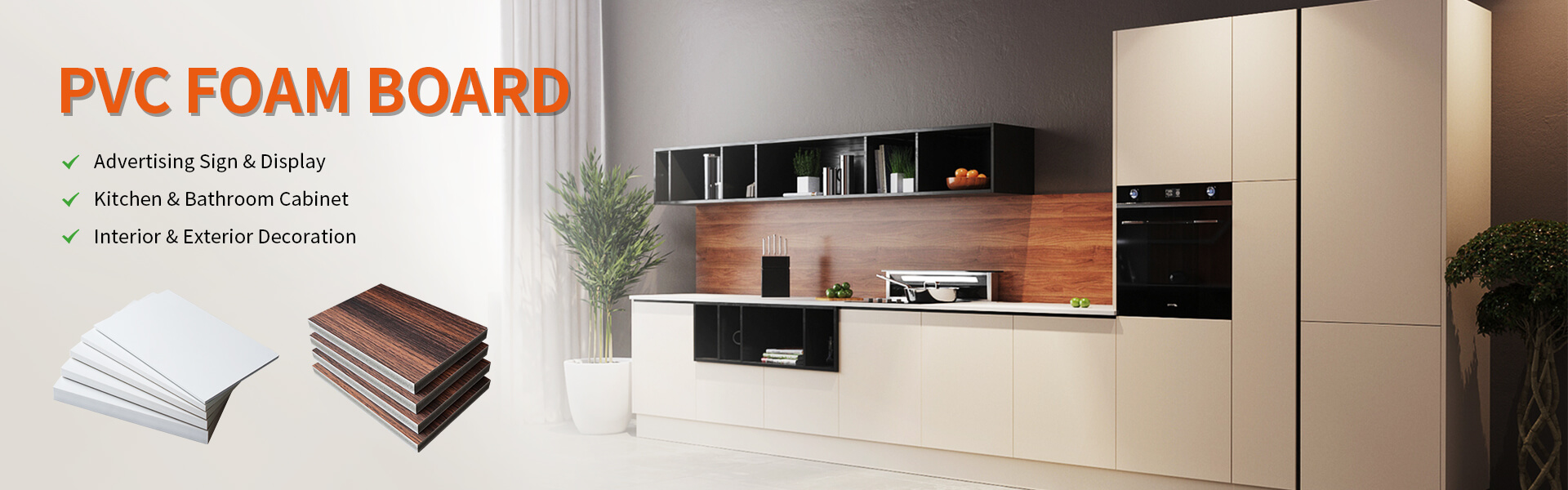
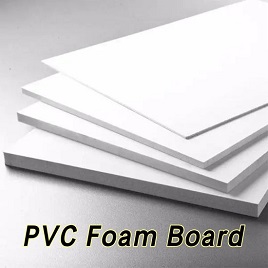
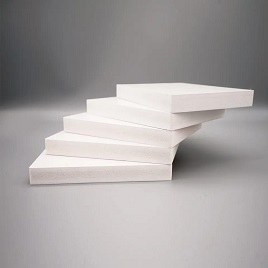
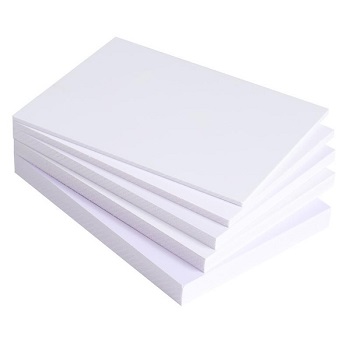
PVC foam board (also known as expanded PVC or Foam PVC) is a rigid, lightweight sheet material crafted from polyvinyl chloride (PVC) resin with a closed-cell foam core. Produced via extrusion or co-extrusion processes, it boasts a smooth, uniform surface and core structure. This versatile material is a staple in signage, construction, furniture manufacturing, and advertising applications for B2B projects.
2. What are the key types of PVC foam boards?
There are four primary types of PVC foam boards, each tailored to specific B2B use cases:
-
Free Foam PVC Board: Features a uniform cell structure, is lightweight and cost-effective, making it perfect for digital printing and signage projects.
-
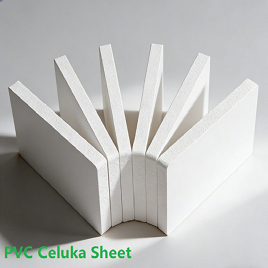
Coated (Celuka/Structural) PVC Foam Board: Combines dense surface layers with a foam core for enhanced rigidity and impact resistance—ideal for construction cladding, cabinetry, and outdoor installations.
-
Anti-static/Fire-Retardant PVC Foam Board: Formulated for ESD-sensitive industrial environments or projects requiring compliance with strict fire codes.
-
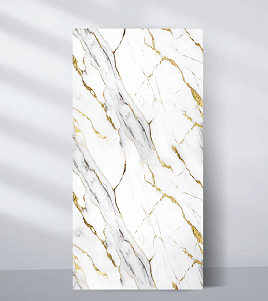
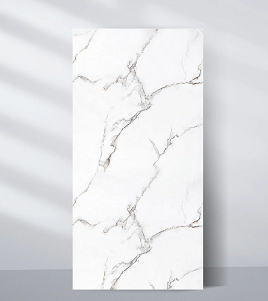
Colored/Printed PVC Foam Board: Pre-colored or printable sheets designed for decorative signage, exhibition booths, and branded displays.
3. How is PVC foam board different from solid PVC sheet and plywood?
Compare the three materials side-by-side to choose the best option for your project:
| Feature | PVC Foam Board | Solid PVC Sheet | Plywood |
|---|---|---|---|
| Weight | Lightweight (300–800 kg/m³) | Heavy (≈1400 kg/m³) | Medium-heavy (grade-dependent) |
| Rigidity | Good (density correlates with strength) | Excellent | Good (prone to warping over time) |
| Water Resistance | 100% waterproof (closed-cell core) | Excellent | Poor (absorbs moisture, rots) |
| Cost | Mid-range | High | Mid-range (varies by wood grade) |
| Workability | Easy to cut, rout, glue, print | Harder to machine | Easy to cut (requires finishing) |
Performance & Technical FAQs
4. What are the typical physical and mechanical properties of PVC foam boards?
PVC foam boards offer consistent, reliable performance for B2B applications, with these standard specs:
-
Density: 300–800 kg/m³ (400–600 kg/m³ is most common for general use)
-
Thickness Range: 1 mm to 50 mm (custom thicknesses available for bulk orders)
-
Standard Sizes: 1220×2440 mm (4×8 ft), 1560×3050 mm (5×10 ft)
-
Temperature Resistance: Operating range -20°C to +60°C (softens at ≈80°C)
-
Impact Resistance: Superior (closed-cell core absorbs force; higher density = stronger impact resistance)
-
Chemical Resistance: Resists acids, alkalis, oils, and most solvents (avoid strong oxidizers)
5. Is PVC foam board waterproof and weather-resistant?
Yes. The closed-cell foam core of PVC foam boards does not absorb water, making it 100% waterproof. UV-stabilized grades resist sun damage, rain, snow, and humidity—perfect for outdoor applications like exterior wall cladding, outdoor signage, and marine fixtures. For long-term outdoor use, ensure the board has UV protection.
6. Is PVC foam board fire-retardant?
Standard PVC foam boards are self-extinguishing and meet UL94 V0/V2 fire safety standards thanks to PVC’s inherent properties. For commercial construction or high-risk projects, opt for fire-retardant (FR) grades that comply with stricter codes like ASTM E84 and EN 13501-1.
7. Is PVC foam board eco-friendly and recyclable?
PVC foam board is 100% recyclable at the end of its service life (10+ years outdoors with proper care). Reputable manufacturers use lead-free, phthalate-free formulations, and many offer boards made from recycled PVC resin. Note: PVC recycling requires specialized facilities—check local recycling programs for proper disposal or repurposing.
Applications & Installation FAQs
8. What are the common applications of PVC foam boards?
PVC foam boards are a go-to material for diverse B2B projects:
-
Signage & Advertising: Digital printing, CNC routing, 3D lettering, exhibition booths, and display stands
-
Construction: Wall cladding, ceiling panels, partition walls, window sills, and bathroom partitions
-
Furniture & Interior Design: Cabinet panels, drawer bases, decorative wall panels, and kitchen backsplashes
-
Industrial: Packaging inserts, marine interior panels, and vehicle trim components
9. How to cut, machine, and install PVC foam boards?
PVC foam boards are easy to fabricate and install—follow these steps for best results:
-
Cutting: Use a utility knife for thin sheets (≤3 mm); for thicker sheets, use a circular saw, jigsaw, or CNC router with a fine-tooth blade to prevent chipping.
-
Machining: Can be routed, drilled, sanded, and glued with PVC-compatible adhesives (PVC cement, acrylic adhesive, or heavy-duty double-sided tape).
-
Installation: For cladding/ceiling, use screws, rivets, or adhesive—leave 5–10 mm expansion gaps to accommodate temperature-related expansion. For signage, mount on aluminum frames or directly to walls.
10. Can PVC foam board be painted or printed on?
Yes. Its smooth, non-porous surface is ideal for UV printing, solvent printing, latex printing, and screen printing—no pre-treatment required for most printers. For painting, clean the surface with a mild detergent, apply a PVC primer (if needed), and use acrylic or polyurethane paint for maximum adhesion and durability.
Sourcing & Quality FAQs
11. How to choose the right PVC foam board for my project?
Select the optimal PVC foam board by focusing on these key factors:
-
Density: 600+ kg/m³ for construction and outdoor use; 300–500 kg/m³ for lightweight signage.
-
Thickness: Match thickness to load and span (e.g., 10+ mm for partition walls; 3–5 mm for signage).
-
Special Grades: Choose UV-stabilized for outdoor use, FR for fire-code projects, and anti-static for electronics manufacturing.
-
Certifications: Prioritize boards with ISO 9001, CE, UL, or ASTM certifications to ensure quality and compliance.
12. What is the typical lead time and MOQ for bulk orders?
Lead times and MOQs vary by manufacturer, but here are standard benchmarks for B2B buyers:
-
Standard Products: 7–10 business days lead time; MOQ 100 sheets.
-
Custom Products (sizes, colors, grades): 14–21 business days lead time; MOQ 500+ sheets (negotiable for large-volume orders).
13. How to store PVC foam boards properly?
To prevent warping, damage, and degradation:
-
Store in a dry, cool, well-ventilated warehouse away from direct sunlight and heat sources.
-
Stack sheets flat on a level surface with full, even support (avoid edge-only stacking).
-
Keep sheets away from sharp objects and corrosive chemicals.