


Why Choosing the Right PVC Foam Board Matters
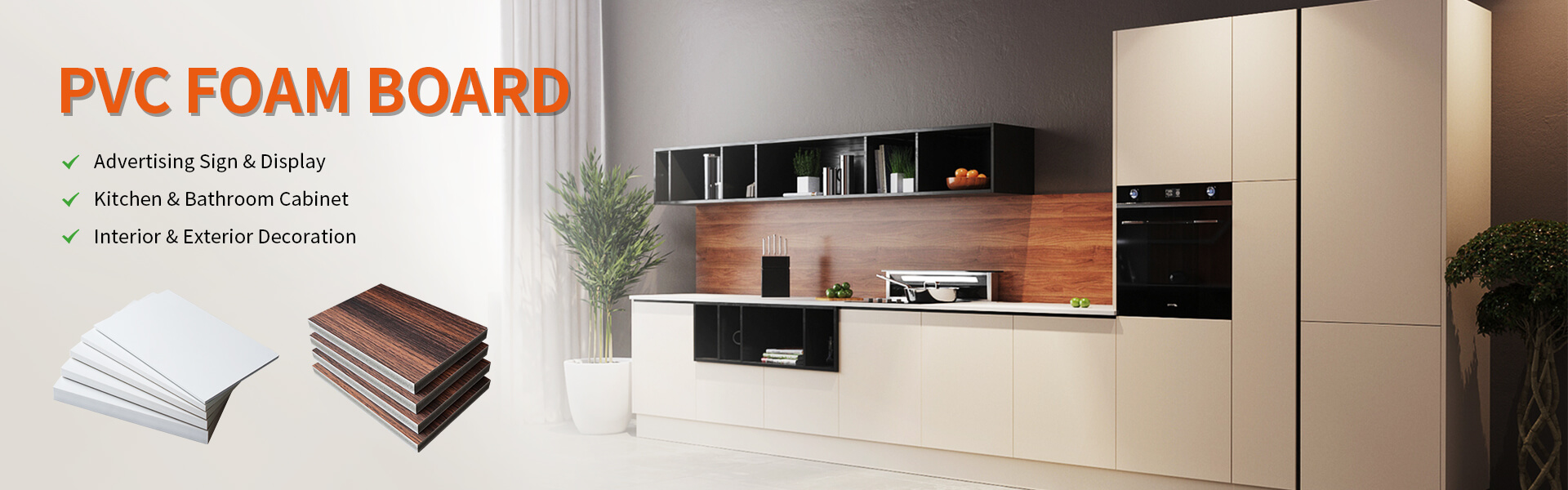
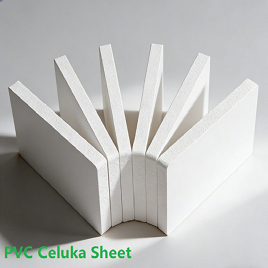
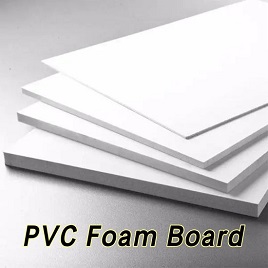
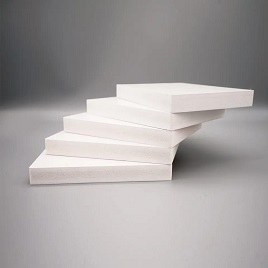
2025-12-17PVC foam board (also known as PVC foam sheet or expanded PVC board) is a versatile, lightweight, and durable material widely used in signage, construction, furniture making, advertising, and crafts. Its resistance to moisture, chemicals, and UV rays makes it a popular alternative to wood, plywood, or traditional plastic boards. However, with various types, thicknesses, densities, and quality levels available on the market, selecting the right PVC foam board can be overwhelming. This guide will walk you through the key factors to consider, helping you make an informed decision that fits your project needs and budget.
1. Define Your Project Requirements First
Before browsing options, clarify your specific use case—this is the foundation of choosing the right PVC foam board. Here are common applications and corresponding requirements:
Signage & Advertising: Opt for a smooth, print-friendly surface (e.g., matte or glossy finish). Thicknesses between 3mm and 10mm work for indoor signs, while outdoor signs may need 10mm–25mm for wind resistance.
Construction & Renovation: Prioritize moisture resistance and structural stability. Closed-cell PVC foam boards are ideal for wall panels, ceiling tiles, or bathroom renovations. Thicknesses range from 12mm to 50mm depending on load-bearing needs.
Furniture & Crafts: Choose lightweight yet rigid boards (density 0.4–0.6 g/cm³). Thinner boards (2mm–5mm) are great for decorative elements, while 6mm–12mm works for shelves or cabinet doors.
Outdoor Projects: Select UV-resistant and weatherproof PVC foam boards to prevent yellowing or warping. Look for products labeled “outdoor-grade” or with UV stabilizers.
2. Understand Key PVC Foam Board Specifications
A. Type of PVC Foam Board
There are three main types, each with unique properties:
Expanded PVC Foam Board (XPS): Closed-cell structure, high density (0.5–0.7 g/cm³), excellent rigidity and moisture resistance. Suitable for outdoor use, construction, and heavy-duty signage.
Extruded PVC Foam Board (EPS): Lower density (0.3–0.5 g/cm³), lighter weight, and easier to cut. Ideal for indoor signage, crafts, and temporary displays.
Coated PVC Foam Board: Has a special coating (e.g., acrylic or polyester) for better print adhesion. Perfect for digital printing, screen printing, or vinyl wrapping.
B. Thickness
PVC foam board thickness ranges from 1mm to 50mm. The right thickness depends on:
Load-bearing capacity: Thicker boards (10mm+) for shelves, wall panels, or outdoor signs.
Portability: Thinner boards (1mm–5mm) for crafts or temporary displays.
Printing needs: 3mm–10mm is the sweet spot for most signage and printing projects.
C. Density
Density directly affects strength, weight, and durability:
Low density (0.3–0.4 g/cm³): Lightweight, flexible, and cost-effective. Best for indoor, non-load-bearing projects.
Medium density (0.4–0.6 g/cm³): Balanced strength and weight. Suitable for most general-purpose applications (signage, crafts, furniture).
High density (0.6–0.8 g/cm³): Heavy-duty, rigid, and weather-resistant. Ideal for construction, outdoor use, and high-traffic areas.
D. Surface Finish
Matte finish: Reduces glare, perfect for indoor signs and displays.
Glossy finish: Enhances colors, great for advertising and decorative projects.
Textured finish: Provides grip, suitable for furniture or wall panels.
3. Check Quality & Durability
To avoid low-quality PVC foam boards that warp, crack, or yellow, inspect these factors:
Surface smoothness: No bubbles, scratches, or unevenness—especially important for printing.
Edge straightness: Straight edges ensure easy installation and precise cutting.
Moisture resistance: Test with a small amount of water—high-quality boards won’t absorb moisture or swell.
UV resistance: For outdoor use, confirm the board has UV stabilizers (ask the supplier for test reports).
Fire rating: Look for fire-retardant PVC foam boards if using in commercial buildings (compliant with standards like ASTM E84).
4. Consider Supplier & Budget
Reputable suppliers: Choose suppliers with positive reviews, certifications (e.g., ISO, CE), and clear product specifications. Avoid unknown brands with no quality guarantees.
Customization options: If you need specific sizes, colors, or coatings, select a supplier that offers customization.
Price vs. quality: Don’t sacrifice quality for a lower price—cheap PVC foam boards may have poor density, uneven surfaces, or short lifespans. Compare quotes from 2–3 suppliers to find the best value.
5. Frequently Asked Questions (FAQs)
Q1: Is PVC foam board waterproof?
Yes, most PVC foam boards are waterproof (especially closed-cell types). They won’t rot, mold, or absorb water, making them ideal for wet environments.
Q2: Can PVC foam board be painted or printed on?
Absolutely. Coated PVC foam boards are designed for printing, while uncoated boards can be painted with acrylic or spray paint (prime first for better adhesion).
Q3: How to cut PVC foam board?
You can cut it with a utility knife, circular saw, or laser cutter. For clean edges, use a sharp blade and support the board to avoid cracking.
Q4: Is PVC foam board eco-friendly?
Many PVC foam boards are recyclable. Look for products labeled “recyclable PVC” or made from recycled materials if sustainability is a priority.
Conclusion
Choosing the right PVC foam board boils down to understanding your project needs, prioritizing key specifications (type, thickness, density), and inspecting quality. By following this guide, you’ll select a PVC foam board that is durable, cost-effective, and perfectly suited for your application—whether it’s signage, construction, crafts, or furniture. Remember to buy from reputable suppliers and don’t hesitate to ask for samples to test quality before making a bulk purchase.