


Complete Guide to PVC Foam Board - Properties, Production Process & Quality Defect Solutions
2026-01-19Complete Guide to PVC Foam Board (Properties, Production & Defect Solutions)
1. Overview of PVC Foam Board
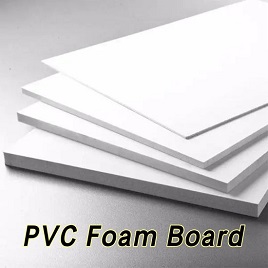
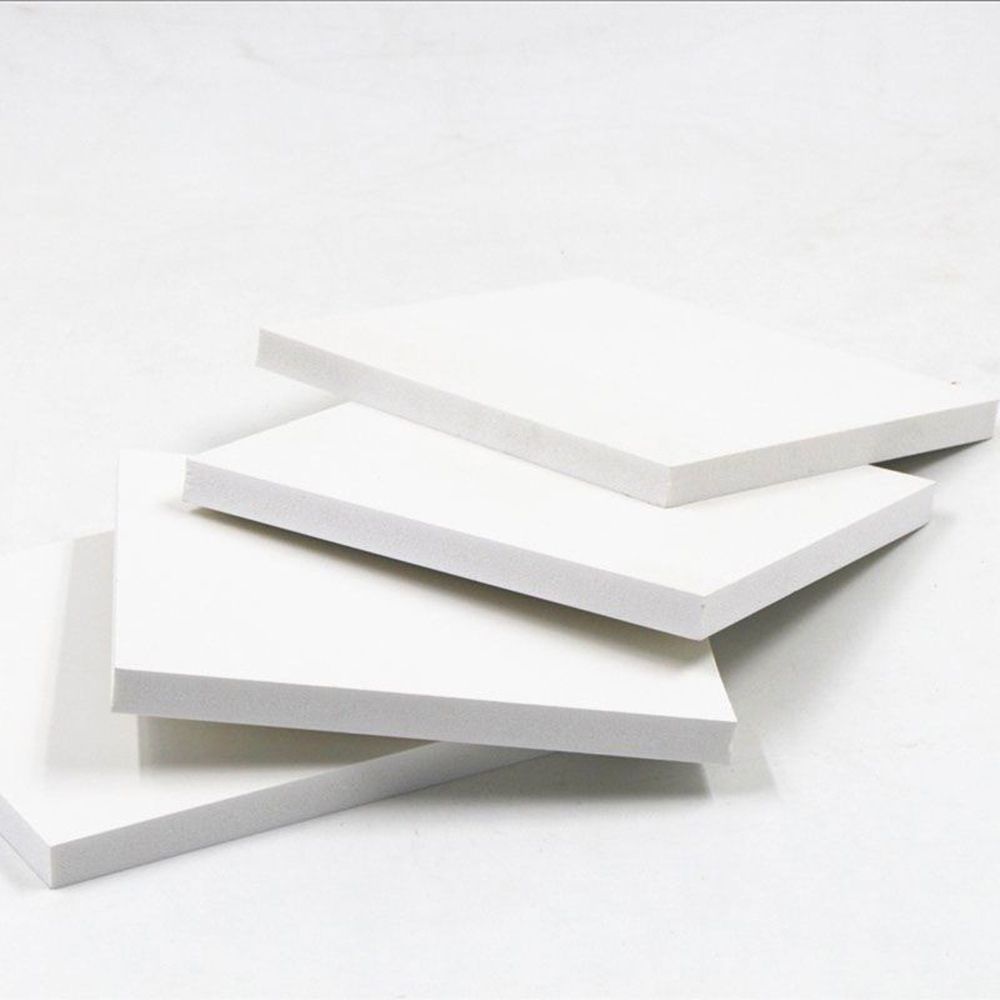
PVC foam board, also known as XPS board or Andy board, can be subdivided into two categories - PVC structural foam board and PVC free foam board - based on production process, appearance characteristics and performance differences. The two have significant differences in production requirements and performance, suitable for different application scenarios.
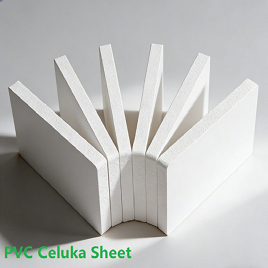
PVC structural foam board is processed by the Celuka process, with a dense and hard surface layer. It features smoothness, high hardness, excellent mechanical properties, high product precision and minimal thickness error. This characteristic places strict requirements on mold precision, formula ratio, process parameters and raw material quality during production, resulting in a relatively high production threshold.
PVC free foam board has no surface skin and presents a loose rough surface. This uneven surface structure provides a good adhesion base for subsequent processing such as printing, spraying and veneering. Its production process is relatively simple, requiring only ordinary foaming molds without special equipment, with low difficulty in process parameter control and more advantageous production cost.
2. Core Properties of PVC Foam Board
Thanks to its unique structural advantages, PVC foam board performs excellently in thermal insulation, sound insulation and light load-bearing capacity, surpassing traditional light solid plastic materials such as expanded perlite, ceramsite and asbestos products. Its construction process features high mechanization and convenience, which not only saves working hours but also effectively reduces labor costs. It is particularly suitable for mechanical vertical pipeline transportation, with work efficiency 6 to 10 times higher than traditional transportation methods.
In roof insulation and external wall insulation projects, PVC foam board demonstrates unparalleled insulation effect and structural layer adhesion capacity, with advantages such as convenient construction, environmental protection and controllable construction period. It is an ideal alternative to traditional thermal insulation materials such as polystyrene (EPS board). In southern regions, PVC foam board can also be processed into insulation bricks for roof and external wall insulation projects, equally exerting excellent thermal insulation performance.
The specific properties of PVC foam board can be summarized into the following 11 points:
Economy: Low comprehensive cost, with significant advantages in cost performance compared to similar insulation and decorative materials, effectively controlling the total project investment.
Thermal Insulation: Thermal conductivity ranges from 0.06-0.070W/(M·K), and thermal resistance is about 10-20 times that of ordinary concrete, enabling efficient thermal insulation and reducing energy consumption.
Light Weight: Dry bulk density is controlled at 200-300KG/M³, only 1/5 to 1/8 of ordinary cement concrete, which can greatly reduce the main load of buildings and lower structural design pressure.
Compressibility: Compressive strength covers the range of 0.6-25.0MPA, which can be adjusted through processes to meet different load-bearing requirements according to application scenarios, with a wide range of applications.
Integrity: Supports on-site pouring construction, which can be closely integrated with the main project as a whole, without the need to reserve separation joints and ventilation pipes, reducing construction procedures and improving structural stability.
Low Elasticity and Shock Absorption: The porous internal structure endows it with low elastic modulus, featuring excellent absorption and dispersion capacity for impact loads, which can effectively buffer external impacts.
Easy Construction: Enables automated operation, supporting vertical transportation at a height of 200 meters, with a daily workload of up to 150-300M³.
Sound Insulation: Uniformly distributed closed bubbles give it a sound absorption capacity of 0.09-0.19%, 5 times that of ordinary concrete, providing effective sound insulation.
Water Resistance: Closed bubbles and good integrity endow it with certain waterproof performance.
Color Stability: After adding color masterbatch, the product can present a variety of colors, and the color remains durable after weather-resistant formula treatment.
Processability: Can be drilled, sawn, nailed, planed, bonded and other processing operations using ordinary woodworking tools, and can be directly bonded with other PVC materials.
3. Common Misunderstandings about PVC Foam Board
Although PVC foam board is regarded as a promising "traditional wood substitute" abroad and widely used in various fields, its performance requirements vary according to different application scenarios. For example, "household PVC boards" focus more on safety, environmental protection, comfort and performance under special environments, while "commercial PVC boards" emphasize durability, economy and convenience of cleaning and maintenance. At the same time, there are some common misunderstandings about PVC foam board, which require further understanding of its true performance characteristics and application advantages.
3.1 Flame Retardancy Does Not Mean "Non-Flammable"
Some people mistakenly believe that if a PVC foam board can be ignited with a lighter, it is not fireproof, and if it cannot be ignited, it is flame-retardant. This is actually a misunderstanding. The state has clear requirements for the fire rating of PVC foam boards, which need to meet the Bf1-t0 level standard. According to national standards, non-combustible materials are classified as fire protection Class A, such as stone and face bricks. The technical connotation of the Bf1-t0 flame-retardant standard is: soak a cotton ball with a diameter of 10mm in alcohol, place it on the PVC floor and let it burn naturally. After the cotton ball is burned out, measure the diameter of the burned mark on the PVC floor. If the diameter is less than 50mm, it meets the Bf1-t0 flame-retardant standard.
3.2 Environmental Friendliness Cannot Be Judged by "Smell Alone"
PVC materials themselves do not contain formaldehyde, and formaldehyde is strictly prohibited in their production process. Although high-grade PVC foam boards may have a slight odor when just leaving the factory, this is not a harmful substance and will not pose a threat to human health. This odor will naturally dissipate after a period of ventilation.
3.3 "Wear Resistance" Does Not Mean "No Scratches from Sharp Tools"
Some people mistakenly believe that a PVC floor is wear-resistant if it does not leave obvious scratches when scratched with sharp tools such as a knife or key. However, the national test standard for the wear resistance of PVC floors is far more complex than this. Professional national testing institutions will use special equipment and methods to conduct rigorous wear resistance tests on floors to ensure they meet the standards.
4. Excellent Performance of PVC Foam Board
PVC foam board is widely used in various fields due to its excellent performance. Its unique physical and chemical properties make it perform well in wear resistance, weather resistance, impact resistance and environmental protection. These performance advantages make PVC foam board an ideal choice for many industries.
4.1 Mechanical Properties
PVC foam board has excellent mechanical properties. Its hardness increases with the increase of molecular weight but decreases with the increase of temperature. The elastic modulus of rigid PVC can reach 1500-3000MPa, showing its superior mechanical strength. Although the elastic modulus of flexible PVC is low, only 1.5-15MPa, its elongation at break is as high as 200%-450%, endowing it with excellent flexibility and ductility. In addition, PVC has moderate friction, with static friction coefficient and dynamic friction coefficient of 0.4-0.5 and 0.23 respectively.
4.2 Electrical Properties
Although PVC foam board has good electrical performance, its electrical insulation is slightly inferior to that of PP and PE. This is mainly because PVC has high polarity, resulting in relatively high dielectric constant, dielectric loss tangent and volume resistivity. However, it is still suitable for medium and low voltage and low-frequency insulation materials.
4.3 Thermal Properties
In terms of thermal properties, the performance of PVC foam board is relatively poor. Its thermal stability is not good, starting to decompose at 140℃, and the melting temperature is only 160℃. Nevertheless, PVC has a small linear expansion coefficient and is flame-retardant, with an oxygen index exceeding 45, providing a strong guarantee for safe application.
5. Production Specifications of PVC Foam Board
In the production of PVC foam board, a series of strict production specifications need to be followed. These specifications aim to ensure the quality, performance and safety of products, thereby meeting the application requirements of different fields. By controlling the ratio of raw materials, optimizing the production process and testing product quality, PVC foam boards that meet standards and have stable performance can be produced.
5.1 Production Process Flow
The production process flow of rigid PVC structural foam board goes through several key steps. First, PVC resin and additives are mixed at high speed, then mixed at low speed for cooling to fully mix the raw materials. Then, it is extruded through a conical twin-screw extruder, shaped by a die (structural foaming), and then undergoes cooling and shaping, multi-roller traction, product cutting, collection and inspection processes, and finally produces rigid PVC structural foam boards that meet specifications. The size of these boards is 1220mm×2440mm, with a thickness range of 8~32mm.
5.2 Production Line Layout
The production line layout of PVC structural foam board should be reasonably designed according to the process flow to ensure smooth production and efficient operation. It usually includes raw material storage area, mixing area, extrusion area, shaping area, cutting area, inspection area and finished product storage area. The layout should consider the transportation distance of materials, the coordination between equipment, and the convenience of operation and maintenance, so as to maximize production efficiency and reduce production costs.
5.3 Detailed Raw Material Requirements
Resin: PVC resin is the core raw material for the production of rigid PVC structural foam board. Generally, type 8 resin is recommended because of its fast gelation speed, moderate processing temperature and stable product quality. However, in recent years, some manufacturers have switched to type 5 resin.
Stabilizer: To ensure product quality and environmental performance, rare earth stabilizers are the first choice. Although its price is slightly higher, with the increasingly strict environmental regulations, its market prospect is promising. At present, lead salt stabilizers still dominate, but attention should be paid to zinc burning and stabilization effect.
Blowing Agent: When the blowing agent AC decomposes, it generates a lot of heat, which easily causes the section to turn yellow. Therefore, a certain amount of white blowing agent needs to be added to absorb excess heat to ensure uniform foaming without large bubbles.
Modifier: After years of research and development and improvement, the technology of ACR foaming modifier is quite mature and stable in performance. The selection should be determined according to the thickness of the board: fast plasticizing modifiers are suitable for thin boards, while slow plasticizing modifiers with high melt strength are suitable for thick boards.
Lubricant: To ensure long-term stable production without precipitation and scaling, the selection of lubricant should take into account the initial, middle and later stages, so that the material can be fully lubricated in each stage.
Foaming Auxiliary: To optimize foaming quality and foam structure, an appropriate amount of zinc oxide can be added as a foaming auxiliary. At the same time, a small amount of aluminum silicate can be added to reduce precipitation problems.
Pigment: To improve the aesthetics and weather resistance of products, titanium dioxide, fluorescent brightener, antioxidant and ultraviolet absorber can be added.
Filler: Light calcium carbonate is recommended, and high mesh products should be selected to meet production requirements.
5.4 Overview of Foam Board Formula
The formula of PVC foam board is a key factor affecting product performance. It needs to be adjusted according to the type of foam board (structural or free foam), application scenario and performance requirements. The basic formula includes PVC resin (100 parts), stabilizer (2-5 parts), blowing agent (1-5 parts), modifier (3-8 parts), lubricant (1-3 parts), foaming auxiliary (0.5-2 parts), pigment (0.1-1 part) and filler (5-20 parts). The specific ratio needs to be tested and optimized according to actual production conditions to ensure product quality and stability.
5.5 Fine Adjustment of Process Parameters
The extrusion processing of rigid PVC structural foam board has more stringent process conditions than conventional PVC pipe and profile processing. The core of this process lies in the decomposition and nucleation of blowing agent, as well as the growth and fixation of bubbles, which must be consistent with the plasticization and molding of PVC melt. Therefore, it is necessary to accurately control key parameters such as screw speed, extrusion temperature and pressure. At the same time, the structural design of the machine head, die and shaping die is also crucial.
5.5.1 Mixing Process
Due to the relatively weak mixing and kneading function of the counter-rotating twin-screw extruder, several processes such as batching, hot mixing and cold mixing are required before formal extrusion. This production line specially selects SRL-Z series hot and cold mixing unit for material mixing. The mixing process is crucial to the final quality of the material, as it directly affects the extrusion molding effect and the appearance and internal quality of the board. If the mixing temperature is too high or too low, it may lead to premature decomposition or insufficient plasticization of the material. Therefore, the mixing procedure and temperature control are particularly important in the mixing process. Usually, the feeding sequence of materials is: PVC resin, stabilizer, internal lubricant, processing aid, filler, external lubricant and titanium dioxide. The feeding amount is generally controlled at about 60% of the effective volume of the hot mixing cylinder, and high-speed hot mixing is carried out at a temperature of 110~120℃ for 5~10 minutes. Then, the material is cooled, the mixing water temperature needs to be lower than 15~20℃, and after 5~10 minutes of cold mixing, it is discharged from the mixer at 35~40℃.
5.5.2 Extrusion Process
After the mixing process, the material is sent to the extruder for formal extrusion molding. This link is crucial to the final quality of the board. During extrusion, parameters such as temperature, pressure and screw speed need to be strictly controlled to ensure uniform and stable extrusion of the material. At the same time, attention should be paid to timely cleaning the residues in the extruder to prevent pollution to subsequent batches of products.
In addition, the extruded board needs to go through a series of post-processing procedures, including shaping, cooling, traction, cutting and testing. The purpose of these procedures is to further improve the quality and performance of the board to meet customer expectations.
(1) Control of Extrusion Temperature: In the production of rigid PVC structural foam boards, it is necessary to strictly control the temperature of each zone to ensure the quality and performance of the board. If the temperature of the barrel and screw is too high, the material will foam in advance, leading to melt fracture and rough board surface; if the temperature is too low, it will affect the plasticization degree of the material, resulting in uneven board surface. In addition, the temperature of the transition body and die lip also needs to be properly controlled to prevent problems caused by too low or too high melt temperature.
The material needs to go through three stages of heating, constant temperature and heat preservation during extrusion. The heating zone is usually located in front of the extruder exhaust port to provide sufficient heat; the constant temperature zone is responsible for maintaining the stability of the barrel temperature to meet the needs of material plasticization and extrusion; the heat preservation zone ensures that the melt still maintains a certain temperature and elasticity after extrusion.
After a lot of trial production and optimization, we found that the suitable temperatures for each zone in the production of rigid PVC structural foam boards are as follows: extruder zone 1 is controlled at 155±5℃, zone 2 at 165±5℃, zone 3 at 170±5℃, zone 4 at 180±5℃; the transition body and die are maintained at 170±5℃; the die lip is controlled at 175±5℃. At the same time, the cooling and shaping device needs constant temperature control in zone 1, while zones 2, 3 and 4 adopt cooling control to ensure that the cooling temperature of each zone of the mold is stable within the range of 5~40℃. Through these precise temperature control measures, we can produce rigid PVC structural foam boards with dense and uniform bubbles and smooth surface.
(2) Extrusion Speed and Residence Time: Practice has proved that the screw speed is positively correlated with the board extrusion output and negatively correlated with the board density. High screw speed brings fast extrusion, but attention should be paid to the rapid rise of melt temperature, which may increase the difficulty of process control, while ensuring uniform foaming and product surface quality. On the contrary, low screw speed may lead to insufficient plasticization of the melt, reduce production efficiency, and cause rough surface of the board. In addition, the residence time of the material in the extruder barrel and die is crucial to the board quality. Too short residence time may lead to insufficient decomposition of the blowing agent and high board density; too long residence time may cause excessive foaming and reduce the mechanical properties of the board. Therefore, the screw speed needs to be comprehensively considered according to the specific process method and equipment requirements, and coordinated with the cooling and sawing time of the board. Taking this production line as an example, the extrusion speed of 20mm thick boards is controlled within 0.65~0.7m/min.
(3) Extrusion Pressure: The appropriate control of extrusion pressure is the key to the success of board foaming. Screw speed, melt temperature, as well as the length and compression ratio of the flow channel in the die will affect the extrusion pressure. Increasing the screw speed will increase the melt extrusion pressure, which helps to reduce the bubble diameter and increase the number of bubbles, thereby promoting the foaming process. At the same time, when the material is in a good plasticization state, the die pressure and motor current will remain stable; insufficient plasticization may lead to fluctuations in die pressure and unstable motor current. Therefore, in actual production, changes in the main motor current and die pressure are often used as important indicators to judge whether the extrusion temperature control is appropriate.
Next, we will discuss the influence of the structure of the machine head die and cooling shaping die on the board quality. The flow channel design of the machine head die is directly related to the foaming ratio and extrusion uniformity of the product. This production line adopts a hanger-type extrusion die structure, and its internal flow channel consists of a manifold zone, a fan-shaped zone, a choke zone and a die lip zone. This design can ensure that the melt maintains the same direction when flowing into the die lip zone, and reduces the melt pressure through the choke zone, thereby controlling the consistency of the material flow speed. In addition, the length design of each part of the flow channel needs to meet specific compression ratio requirements to prevent excessive foaming of the material.
In the board processing process, the structural size of the cooling shaping die should be consistent with the machine head die. In this way, the density of the structural foamed product and the thickness of the skin layer will be directly affected by the degree of free foaming. To optimize the product quality, it is necessary to reasonably adjust the distance between the cooling shaping die and the die, the ratio between the extrusion speed and the shaping traction speed, and the cooling intensity of the shaping die.
6. Common Problems and Solutions in PVC Foam Board Process
PVC foam board is a board with a closed-cell structure, and hole breaking may sometimes occur during production. This problem may be caused by various factors, including the strength of the melt itself and the pressure difference around the melt. In production practice, these two factors may exist simultaneously, leading to most hole breaking caused by the uneven expansion of local bubbles reducing the melt strength.
6.1 Poor Melt Thermal Stability and Improper Extrusion Temperature Control
Poor melt thermal stability and improper extrusion temperature control are important reasons for this problem. The melt needs good plasticization to ensure the quality of PVC foam board, and thermal stabilizers play a key role in this process. If there is a problem with the thermal stabilizer or the extrusion temperature is improperly controlled, it may lead to local degradation or strength reduction of the melt, thereby causing bubble breaking. Therefore, in the production process, the performance of the stabilizer should be regularly inspected to ensure it meets the requirements, and the dosage of the stabilizer should be adjusted according to the resin grade to match the material plasticization temperature with the blowing agent decomposition temperature.
Solution: During extrusion, it is necessary to ensure that the melt is fully plasticized in the machine head, and the melt temperature of the extruder should be lower than the decomposition temperature of the blowing agent to prevent premature decomposition of the blowing agent in the machine. In addition, the melt temperature at the exit of the die needs to reach the decomposition temperature range of the blowing agent to promote sufficient foaming. According to the vacuum hole material and the melt shape during startup, the extrusion temperature should be flexibly adjusted to ensure that the material is orange-peel shaped when passing through the exhaust hole, no powder flows at the bottom of the screw, and the melt has a smooth surface and elasticity when extruded from the die, avoiding sagging immediately after exiting the die or rough cross-sectional crystallization.
6.2 Too Low Molecular Weight or Polymerization Degree
The polymerization method of PVC resin has a significant impact on the performance and quality of its foamed products. For example, although emulsion PVC resin can produce products with uniform bubbles and smooth surface, it has poor dimensional stability and high cost. Products produced with suspension PVC resin are slightly inferior in appearance quality and bubble uniformity. Therefore, considering various factors such as process, cost and performance, it is usually recommended to mix emulsion PVC resin and suspension PVC resin in a certain ratio, which can range from 80/20 to 20/80.
In the board forming process, to obtain fully foamed low-density plastic products, PVC resin with appropriate viscosity should be selected. Too high viscosity will affect the fluidity of the melt, leading to poor board surface flatness and difficult bubble expansion; too low viscosity will result in insufficient melt strength, which is prone to bubble breaking. Therefore, the appropriate resin type should be selected according to specific production conditions.
6.3 Improper Addition of Blowing Agent
Common blowing agents used in the production of PVC foam boards include exothermic type, endothermic type, and composite balanced type of endothermic and exothermic. Among them, azodicarbonamide (AC) is a commonly used azo-based activator blowing agent, whose decomposition temperature is as high as 232℃, far exceeding the processing temperature of PVC. Therefore, measures need to be taken to reduce its decomposition temperature when using AC blowing agent.
Exothermic blowing agents, such as azodicarbonamide (AC), have a foaming rate of up to 190-260ml/g, with rapid decomposition and intense heat release. However, its foaming time is short and sudden. When the dosage of AC blowing agent is too large, the pressure inside the bubble will rise rapidly, the bubble size will increase excessively, and the gas will be released sharply, thereby destroying the bubble structure, resulting in uneven bubble size distribution, even forming an open-cell structure, and causing excessive local bubbles and cavities. Therefore, in the production of foamed plastic products, the exothermic blowing agent AC should not be used alone, but should be mixed with endothermic blowing agent, or composite chemical blowing agent with balanced heat release and absorption should be adopted.
Endothermic blowing agents, such as inorganic blowing agent sodium bicarbonate (NaHCO3), have a low foaming rate but long foaming time. When mixed with AC blowing agent, it can play a complementary and balanced role. The exothermic blowing agent improves the gas-generating capacity of the endothermic blowing agent, while the endothermic blowing agent cools the former, stabilizes its decomposition and balances gas release, thereby inhibiting overheating degradation inside the thick board, reducing residue precipitation, and having a whitening effect.
On the premise of not affecting the foaming rate, the dosage of endothermic blowing agent can be appropriately increased to replace part of the exothermic blowing agent, thereby inhibiting the bubble breaking phenomenon that may be caused by excessive use of exothermic blowing agent. In addition, 1232 or BLA-616 blowing agent is a balanced type of heat release and absorption, with no induction period and fast decomposition rate, and the maximum gas generation capacity reaches 156mL. Its decomposition temperature is moderate, suitable for the dynamic forming process of thick and complex-shaped products, helping to eliminate bubble breaking and ensure the stability of foaming performance.
On the other hand, the use of molds is also a key factor affecting the production of PVC foam boards. According to the thickness of the product, it is necessary to configure a die with corresponding straight section length and compression ratio. The die design for thick boards has a longer straight section and larger compression ratio to improve melt pressure and foaming ratio; while the die for thin boards is the opposite. Improper use may lead to uneven surface, reduced melt strength and even board fracture. Therefore, the mold must be reasonably matched according to the product thickness when selecting.
Solution: For the production of structural PVC foam boards with different thicknesses, it is necessary to carefully select a suitable die.
6.4 Poor Quality or Insufficient Dosage of Processing Modifier
During foaming, the gas generated by the decomposition of the blowing agent forms bubbles in the polymer melt. The growth of these bubbles is closely related to the strength of the polymer melt. If the melt strength is insufficient, gas is likely to escape from the melt surface, forming large bubbles. High-quality foaming modifiers, whose long molecular chains can combine with PVC molecular chains to form a network structure, not only promote plasticization but also enhance melt strength, thereby maintaining bubble stability. If the quality of the foaming modifier is poor or the dosage is insufficient, the strength of the foam will be insufficient, resulting in bubble breaking or bubble merging.
It is worth noting that foaming modifiers produced by different manufacturers have differences in molecular weight and viscosity. When bubble breaking occurs in foamed products, trying to replace the foaming modifier or appropriately increase the dosage can often achieve significant results. However, caution should be exercised to avoid increasing the melt viscosity by adding high molecular weight foaming modifiers, which will affect bubble expansion and product density. At the same time, too high melt viscosity will also reduce fluidity, leading to uneven die discharge and affecting board surface flatness.
6.5 Improper Addition or Insufficient Activity of Calcium Carbonate
Calcium carbonate acts as a nucleating agent during foaming, and an appropriate amount of calcium carbonate can promote the formation of bubble nuclei. However, if the dosage is too large, the particles are too large, or the activity is insufficient, agglomeration may occur, affecting resin dispersion and cross-sectional bonding, thereby reducing melt strength and making bubbles easy to break during expansion. Therefore, it is necessary to reasonably control the dosage of calcium carbonate and ensure its activity during production.
Solution: In the production process of PVC foam board, it is necessary to strictly control the dosage, particle size and activity of calcium carbonate. When the dosage of calcium carbonate exceeds the appropriate range, the dosage of foaming modifier should be increased accordingly.
6.6 Uneven Foaming of Board Section, Uneven Discharge and Local Material Deficiency
The causes of this phenomenon are complex, throughout the entire process of mixing and extrusion production. For example, improper ratio of each component in the formula, insufficient external lubricant, excessive temperature in zone 5 of the extruder leading to an increase in the temperature of the confluence core may cause large bubbles, bubble merging and rough surface in the middle of the board. In addition, excessive single-batch mixing amount, low mixing temperature or short mixing time, and insufficient addition of internal lubricant will lead to uneven distribution of mixture components. At the same time, improper die temperature or bolt adjustment during extrusion will also affect the uniform extrusion of the melt, thereby causing local material deficiency and bubble breaking.
Therefore, in the mixing and extrusion production process, it is necessary to strictly follow the formula and process operation procedures, and conduct in-depth analysis of the bubble breaking phenomenon and take targeted solutions. If the bubble breaking phenomenon occurs continuously at the same position, it usually indicates that the melt pressure at that position is too low, which can be solved by adjusting the die bolt or temperature.
In addition, adjusting the gap difference of each section of the shaping template is also an effective method to eliminate bubbles. If the gap between the first shaping plate and the second shaping plate is too large, the melt may be over-squeezed before being fully cooled, leading to bubble breaking; if the gap between the third template and the fourth template is too large, the melt cannot be further compressed and deformed because it has been fully cooled, resulting in an increase in board thickness. Therefore, appropriately increasing the gap difference between the second and third templates can prevent bubble breaking while ensuring the stability of board thickness. At the same time, appropriately reducing parameters such as screw temperature, die oil temperature and cooling water temperature of the first shaping device when producing thick boards also helps to eliminate bubble breaking.
7. Common Quality Defects and Countermeasures of Plastic Foam Products
In the production process of plastic foam products, various quality defects may be encountered, such as uneven foaming of the board section and local material deficiency caused by uneven discharge. These defects not only affect the appearance of the product but also may reduce its performance. Therefore, understanding the types and causes of these defects and taking corresponding treatment measures is crucial to improving product quality.
Common quality defects also include surface cracks, uneven thickness, poor skin layer adhesion, and excessive odor. The causes and countermeasures are summarized as follows:
Surface Cracks: Caused by excessive cooling speed, insufficient plasticization, or uneven stress during shaping. Solution: Adjust the cooling water temperature to slow down the cooling speed, optimize the extrusion temperature to ensure sufficient plasticization, and adjust the shaping template pressure to balance the stress.
Uneven Thickness: Caused by uneven die gap, unstable traction speed, or uneven melt flow. Solution: Calibrate the die gap to ensure uniformity, stabilize the traction speed, and adjust the die flow channel to optimize melt distribution.
Poor Skin Layer Adhesion: Caused by insufficient melt temperature, improper blowing agent ratio, or poor resin compatibility. Solution: Increase the melt temperature appropriately, adjust the blowing agent ratio, and select resins with good compatibility.
Excessive Odor: Caused by incomplete decomposition of the blowing agent, impure raw materials, or insufficient ventilation during production. Solution: Optimize the extrusion temperature to ensure complete decomposition of the blowing agent, select high-purity raw materials, and strengthen ventilation in the production workshop.