

Polyvinyl Chloride (PVC) Foam Board - Frequently Asked Questions (FAQ)
2026-05-12
Polyvinyl Chloride (PVC) Foam Board – Closed Cell Lightweight Foam Sheet
What is PVC Foam Board?
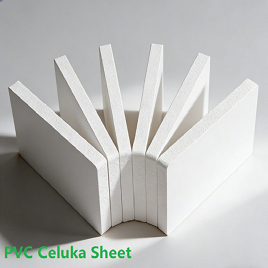
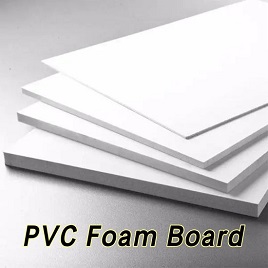
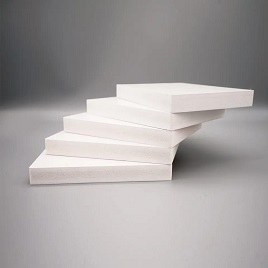
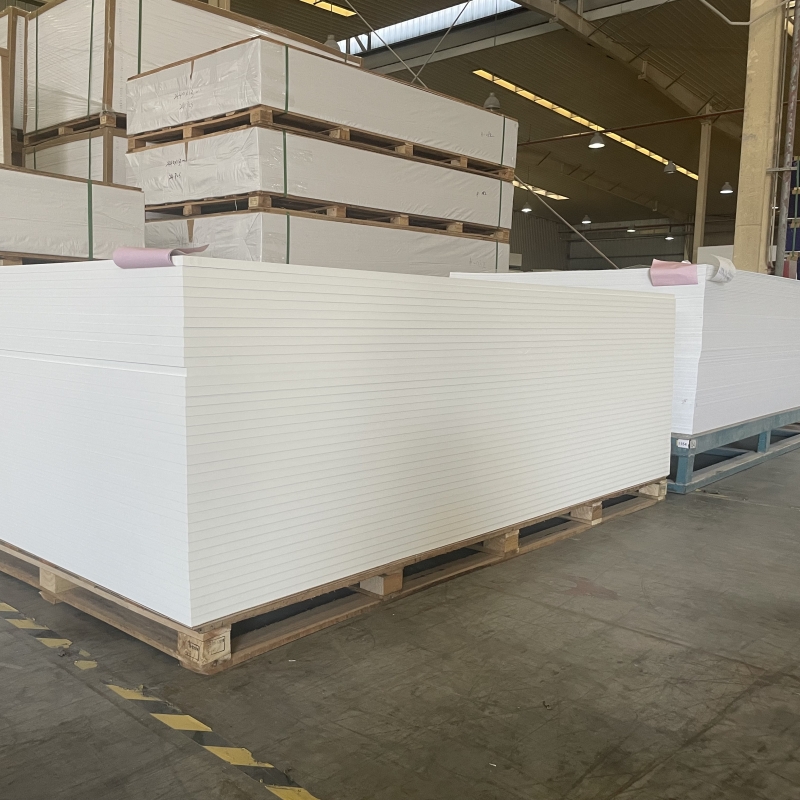
PVC foam board is a sheet material made of polyvinyl chloride (PVC) as the main raw material through a foaming process. It boasts excellent properties including light weight, high strength, water resistance, moisture resistance, and chemical corrosion resistance, making it widely used in architectural decoration, advertising display, furniture manufacturing and other fields.
What are the characteristics of PVC Foam Board?
One of the distinguishing features of PVC foam board is its lightweight. Thanks to the foaming process, numerous tiny bubble structures are formed inside the material, which significantly reduces the board’s weight. This makes PVC foam board more convenient for transportation and installation, while also reducing the load-bearing burden of buildings. Additionally, the density of PVC foam board can be adjusted according to different application needs, offering greater flexibility.
Another important feature is its excellent weather resistance. PVC foam board has good waterproof performance and will not mold or rot in humid environments, making it particularly suitable for use in damp areas such as bathrooms and kitchens. Furthermore, it has strong corrosion resistance to chemicals like acids and alkalis, enabling it to maintain stable performance in various harsh environments.
What are the main uses of PVC Foam Board?
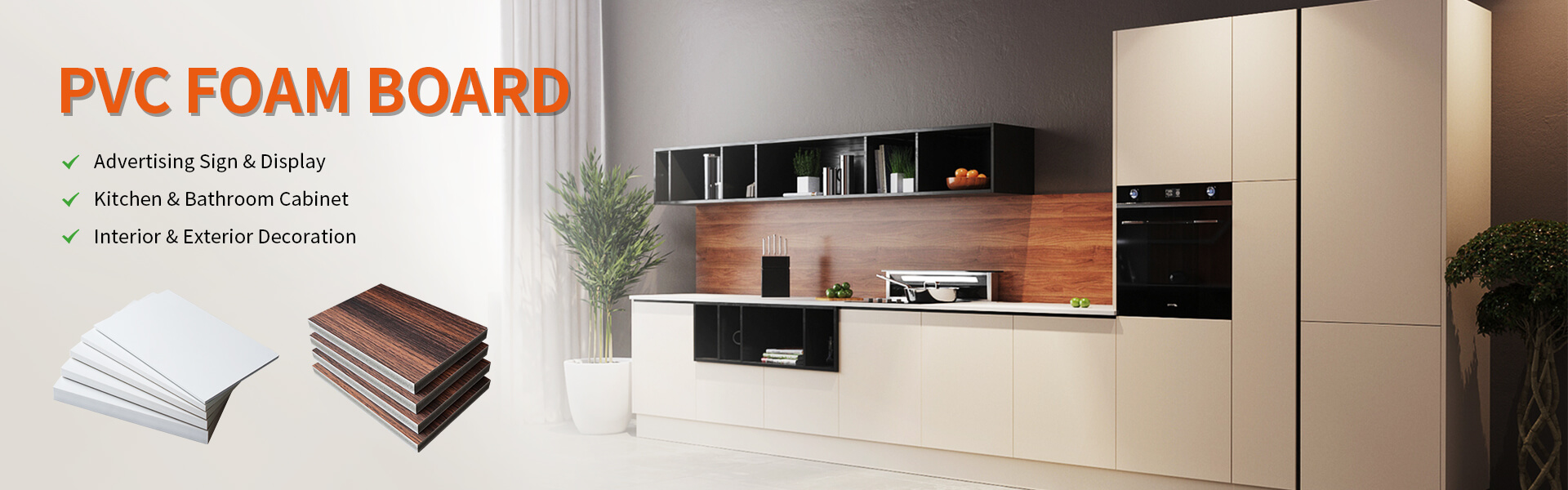
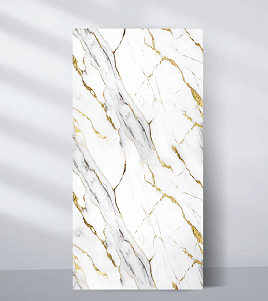
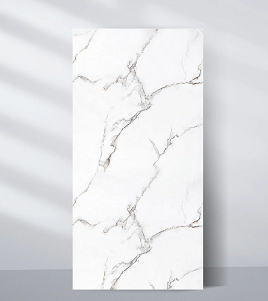
PVC foam board is widely applied in the field of architectural decoration. It can be used as wall panels, ceilings, door panels, etc., replacing traditional materials such as wood and stone. With its flat and smooth surface, PVC foam board is easy to paint and laminate, allowing for diverse decorative effects. Moreover, it has excellent sound insulation and heat insulation properties, which help improve the overall comfort of buildings.
In terms of advertising display, PVC foam board also plays an important role. It is light in texture, easy to cut and carve, making it suitable for making billboards, display boards, POP display racks, etc. Due to its good printing adaptability, PVC foam board can be printed with high-quality colors, ensuring clear communication of advertising information.
What are the raw materials and production process of PVC Foam Board?
The main raw material for making PVC foam board is polyvinyl chloride (PVC). In addition, auxiliary materials such as foaming agents, stabilizers, lubricants, and fillers are required. These raw materials go through a series of processes including mixing, heating, extrusion, and foaming to finally form PVC foam boards with specific sizes and properties.
The specific production process is as follows: First, PVC and various additives are mixed in a certain proportion. After thorough mixing, the raw materials enter an extruder for heating and melting. In the molten state, the foaming agent decomposes to produce gas, forming countless tiny bubbles inside the PVC material. Subsequently, the molten PVC material is extruded through a die and shaped during the cooling process, ultimately forming a sheet with specific shapes and properties.
What is the impact of the foaming process on the performance of PVC Foam Board?
The foaming process is a key link in the production of PVC foam board. Factors such as the type and dosage of foaming agent, foaming temperature, and pressure all affect the final performance of the board. A reasonable foaming process can ensure that bubbles are evenly distributed inside the board, thereby guaranteeing the mechanical properties and surface quality of the PVC foam board.
What is the environmental performance of PVC Foam Board?
PVC foam board is an environmentally friendly material. Firstly, its main raw material, PVC, is a recyclable plastic, and no harmful gases or wastewater are produced during the production process. In addition, PVC foam board has a long service life and strong corrosion resistance, and does not release harmful substances due to environmental factors, thus having little impact on the environment.
During use, the excellent performance of PVC foam board also helps reduce resource consumption. For example, its thermal insulation performance can reduce building energy consumption and save energy; its durability reduces the frequency of replacement and maintenance, minimizing resource waste.
Recycling of PVC Foam Boards
The recyclability of PVC foam board is another important manifestation of its environmental protection. Waste PVC foam boards can be recycled and reused through processes such as crushing and melting to make new boards or other PVC products. This not only reduces waste generation but also saves raw material resources, meeting the requirements of sustainable development.
In summary, PVC foam board has become an important material in industries such as modern architectural decoration and advertising display due to its excellent performance and wide range of applications. Its environmental protection and recyclability are more in line with the current society’s requirements for green buildings and sustainable development. In the future, with the continuous advancement of production technology and the expansion of application fields, PVC foam board is expected to play an even more important role, bringing more convenience and beauty to people’s living and working environments.