






After the 2026 "Epic Wrath" Operation: How the PVC FOAM BOARD Industry Responds to the Glo
2026-03-17After the 2026 "Epic Wrath" Operation: How the PVC FOAM BOARD Industry Responds to the Global Chemical Supply Chain Shock
In early 2026, the United States and Israel jointly launched a military operation codenamed "Epic Wrath" (also known as "Epic Fury") with large-scale strikes against Iran. This sudden regional conflict quickly swept the global chemical industry chain. As an industry closely tied to core chemical raw materials such as petroleum and chlor-alkali, the PVC FOAM BOARD (PVC foam board) industry is facing multiple challenges including supply chain disruptions, soaring costs, and production capacity fluctuations. This article will deeply analyze the specific impact of the US-Iran conflict on the global supply chain of PVC FOAM BOARD, dissect the pain points of the PVC FOAM BOARD industry, and put forward actionable response strategies for PVC FOAM BOARD practitioners and purchasers, helping the PVC FOAM BOARD industry stabilize its development foundation amid turmoil.
I. Conflict Background: "Epic Wrath" Operation Chokes the "Throat" of the Global Chemical Supply Chain
On February 28, 2026 (local time), the US and Israel jointly launched the "Epic Wrath" military operation against Iran, targeting Iran's nuclear facilities and missile industry. Iran immediately launched the "True Promise 4" retaliatory operation, plunging the Middle East into comprehensive tension. As a core hub of the global energy and chemical industry, the Middle East undertakes 20%-30% of the world's seaborne oil trade and 20% of liquefied natural gas trade. The Strait of Hormuz, a key waterway controlled by Iran, is the "lifeline" for the export of core PVC raw materials such as methanol, ethylene, and sulfur, undertaking nearly 1/3 of the world's urea exports and the transportation of a large number of chemical products.
After the conflict broke out, Iran announced the strengthening of control over the Strait of Hormuz. Ships were forced to detour around the Cape of Good Hope to avoid risks, increasing the voyage by 40% and extending the transportation time by 7-15 days. At the same time, war risks led to a surge in shipping insurance premiums by more than 300%, and the freight rate on the Middle East to East Asia route hit a historical peak, directly cutting off the stable circulation channel of global chemical raw materials. The production of PVC FOAM BOARD (PVC foam board) relies heavily on core raw materials such as PVC resin and foaming agents. The impact of this conflict has quickly spread along the industrial chain, affecting all links of global PVC FOAM BOARD production, trade, and terminal applications, and the supply chain resilience of the PVC FOAM BOARD industry is facing a severe test.
II. Core Impacts: The PVC FOAM BOARD Industry Faces Three Major Survival Challenges
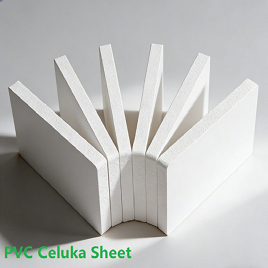
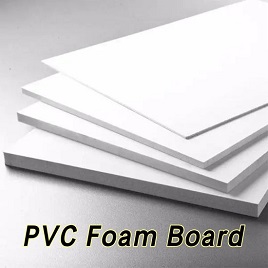
PVC FOAM BOARD (polyvinyl chloride foam board) is widely used in various fields such as architectural decoration, advertising signs, packaging buffering, and furniture manufacturing due to its advantages of light weight, moisture resistance, flame retardancy, and easy processing. Its production process is highly dependent on raw materials such as PVC resin, foaming agents (such as supercritical carbon dioxide and azodicarbonamide), and stabilizers. The supply and price of these raw materials are directly affected by the US-Iran conflict. The specific impacts faced by the PVC FOAM BOARD industry are mainly reflected in three aspects, each of which is crucial to the survival and development of PVC FOAM BOARD enterprises.
(1) Shortage of Raw Material Supply and Forced Production Capacity Shrinkage
PVC resin is the core raw material of PVC FOAM BOARD. Its production is mainly divided into two paths: calcium carbide method and ethylene method. Among them, ethylene-based PVC relies on petrochemical raw materials such as crude oil and ethylene. The Middle East is one of the core production regions of global ethylene capacity, and Iran is the second largest ethylene producer in the region. About 15% of global ethylene supply is directly affected by the conflict. Refining and chemical facilities in neighboring countries such as Saudi Arabia have also suspended operations due to tense situations, leading to an expansion of the ethylene supply gap and directly affecting the stability of raw material supply for PVC FOAM BOARD.
At the same time, as the world's second largest methanol producer, Iran has an annual production capacity of about 17.16 million tons, accounting for nearly 10% of the world's total. Methanol is an important auxiliary raw material for PVC production and a core substrate for foaming agent production. The conflict has led to the risk of shutdown of Iran's methanol plants. Coupled with the blockade of the Strait of Hormuz, global methanol supply is expected to decrease by 20%-30%. As the world's largest PVC FOAM BOARD producing country, China relies on Iranian sources for about 60% of its imported methanol, making the problem of raw material shortage particularly prominent.
In addition, Iran supplies 30% of the world's sulfur, an indispensable additive raw material in PVC production. Transportation disruptions have led to a 5% daily increase in sulfur prices, further exacerbating the pressure of raw material supply. At present, many global PVC FOAM BOARD manufacturers have been forced to reduce production capacity and extend delivery cycles due to raw material shortages, and some small and medium-sized manufacturers even face the risk of suspension of production and operation, resulting in a significant decline in the industry's capacity utilization rate.
(2) Sharp Rise in Costs and Pressure on Enterprise Profitability
The surge in energy prices triggered by the US-Iran conflict has directly driven the production cost of PVC FOAM BOARD to double. Since 2026, international crude oil prices have fluctuated at a high level above $80 per barrel, driving the continuous rise of prices of petrochemical raw materials such as ethylene, leading to a rigid increase in the cost of ethylene-based PVC. Although calcium carbide-based PVC mainly uses coal as the main raw material, coal prices have risen periodically due to the linkage effect of the energy market. Coupled with environmental protection production restrictions in major producing areas, the supply of calcium carbide is tight, further pushing up production costs. The domestic PVC resin price has increased by more than 30% compared with before the conflict, and the increase in some regions has exceeded 40%.
In addition to raw material costs, the surge in logistics costs has become another "heavy burden". The conflict has hindered shipping in the Strait of Hormuz, leading to a 30%-50% increase in transportation costs on the Asia-Europe route. Coupled with the sharp increase in war risk insurance premiums, the transportation cost of each batch of PVC FOAM BOARD and raw materials has nearly doubled compared with before the conflict. For export-oriented enterprises, the increase in logistics costs has directly compressed profit margins, and some enterprises even face a situation of "losses as soon as they produce".
At the same time, the constraints of environmental protection regulations have further increased cost pressure. At present, environmental protection controls are becoming stricter globally. China's environmental protection regulations have built a full-life-cycle control network. Air pollutant emission standards have forced 35% of small and medium-sized PVC-related enterprises to shut down or renovate. The mandatory promotion of calcium-zinc composite stabilizer systems has also increased production costs by 8.4%. Coupled with the increase in raw material and logistics costs brought about by the conflict, the profit pressure on PVC FOAM BOARD enterprises has reached a historical peak.
(3) Trade Disruptions and Restructuring of the Global Market Pattern
The US-Iran conflict not only affects raw material supply and production costs but also severely impacts the global trade of PVC FOAM BOARD. On the one hand, as an important export market for PVC FOAM BOARD, the turbulent situation in the Middle East has led to a shrinkage in local demand and a sharp reduction in export orders. On the other hand, the blockade of the Strait of Hormuz and the surge in shipping costs have prolonged the global PVC FOAM BOARD trade cycle, and some export orders have been canceled due to failure to deliver on time, putting enterprises at risk of breach of contract.
At the same time, the uncertainty of the global supply chain has forced enterprises to adjust their procurement and sales strategies. The previous model of relying on a single Middle Eastern raw material supply source has been broken, and the supply chain has begun to transform towards diversification. For example, Chinese PVC FOAM BOARD enterprises have started to increase the procurement of raw materials from North America, Southeast Asia and other regions to avoid the transportation risks of the Strait of Hormuz, which has also led to the restructuring of the global PVC FOAM BOARD trade pattern, with the trend of regional supply becoming increasingly obvious. In addition, trade barriers such as the EU Carbon Border Adjustment Mechanism have further increased the difficulty of PVC FOAM BOARD exports. Leading enterprises with full-chain compliance capabilities have seen their market share increase against the trend, while small and medium-sized enterprises face the risk of being eliminated.
III. Industry Status: Imbalanced Supply and Demand in the PVC FOAM BOARD Market and Hindered Green Transformation
Under the continuous impact of the US-Iran conflict, the global PVC FOAM BOARD market presents a pattern of "imbalanced supply and demand and price fluctuations". On the supply side, production capacity contraction has led to a reduction in global PVC FOAM BOARD supply. The global PVC foam board production capacity reached 4.8 million tons in 2025, and affected by the conflict in 2026, the global PVC FOAM BOARD production capacity is expected to decrease by 10%-15%. Among them, high-end PVC FOAM BOARD products are more obviously affected by raw material shortages due to their dependence on supercritical fluid foaming technology. Although supercritical fluid foaming technology has accounted for more than 65% of the high-end PVC FOAM BOARD market, insufficient raw material supply has restricted the production capacity of high-end PVC FOAM BOARD products.
On the demand side, the demand in core application fields such as architectural decoration and advertising signs remains stable, but affected by price increases, downstream purchasers have successively reduced their purchase volume or sought more cost-effective alternative materials (such as polypropylene foam board and polyurethane foam board), leading to a slowdown in the growth rate of PVC FOAM BOARD market demand. At the same time, the process of green transformation has been hindered. Although green PVC FOAM BOARD containing more than 30% post-consumer recycled resin (PCR) is in strong demand in the EU market, with the export value of such products in China increasing by 22% year-on-year in 2025, the shortage of raw materials makes it difficult to increase the proportion of recycled materials added, and the production capacity of green products cannot meet market demand.
It is worth noting that the industry concentration is accelerating. The "Catalogue for the Adjustment of Industrial Structure" prompted the shutdown, merger and transfer of 146 backward PVC-related production lines nationwide in 2025, involving a production capacity of 850,000 tons. The cost and supply pressure brought by the US-Iran conflict have further accelerated the withdrawal of small and medium-sized production capacity, with the industry CR10 rising to 54%. The scale effect has initially appeared, and leading enterprises have gradually occupied a dominant position in the market relying on their resource integration capabilities and technological advantages.
IV. Response Strategies: How Can PVC FOAM BOARD Enterprises Break Through and Survive?
Faced with the supply chain shock brought by the US-Iran conflict, PVC FOAM BOARD enterprises can only stabilize the development foundation of PVC FOAM BOARD enterprises, achieve the counter-trend breakthrough of PVC FOAM BOARD enterprises, and promote the sustainable development of the PVC FOAM BOARD industry by taking the initiative to adjust and respond actively, focusing on three dimensions: raw materials, production, and the market, so as to reduce the risks of the PVC FOAM BOARD industry.
(1) Optimize Raw Material Procurement and Build a Diversified Supply System
Getting rid of the single dependence on Middle Eastern raw materials is the core measure for enterprises to respond to the impact. On the one hand, enterprises can expand raw material procurement channels and increase the purchase volume of PVC resin, methanol, sulfur and other raw materials from North America, Southeast Asia, Russia and other regions. Especially North America, relying on the low-cost ethane production capacity brought by shale gas, has become a key role in filling the Middle Eastern supply gap and can be focused on. On the other hand, sign long-term supply contracts with raw material suppliers to lock in raw material prices, reduce the risks caused by price fluctuations, and at the same time reasonably increase raw material inventory and establish an emergency inventory mechanism to deal with short-term supply disruptions.
In addition, enterprises can increase the application of recycled materials and improve the proportion of post-consumer recycled resin (PCR) added. This not only can reduce the dependence on primary raw materials but also conform to the trend of green environmental protection and enhance the competitiveness of products in markets such as the EU. At present, the domestic proportion of recycled materials added has jumped from 8.5% in 2023 to 19.2%, still with great room for improvement.
(2) Upgrade Production Technology to Reduce Costs and Energy Consumption
Against the background of soaring raw material and logistics costs, reducing production costs through technological upgrading has become the key to enterprise profitability. Enterprises can introduce supercritical fluid foaming technology to replace the traditional chemical foaming process. This technology can not only increase the qualified rate of finished products by 12 percentage points but also reduce the emission of volatile organic compounds by 98%, while reducing the dosage of foaming agents and raw material consumption. At present, this technology has accounted for more than 65% of the high-end market and is the core direction of industrial technological upgrading.
At the same time, promote energy-saving transformation in the production process, introduce heat pump waste heat recovery and photovoltaic direct drive systems to reduce the comprehensive energy consumption per unit product. At present, 42% of large-scale factories have applied such systems, and the comprehensive energy consumption per unit product has decreased by 15.6% year-on-year, which can effectively reduce production costs. In addition, optimize the production process, improve the capacity utilization rate, reduce losses in the production process, further compress the cost space, and enhance the enterprise's anti-risk ability.
(3) Adjust Market Layout and Expand Diversified Demand Scenarios
In response to the current situation of global trade disruptions, enterprises can adjust their market layout, reduce their dependence on the Middle Eastern market, focus on expanding the domestic market and emerging markets such as Southeast Asia and Latin America, and rely on the huge domestic demand for architectural decoration and advertising signs to stabilize the basic market. At the same time, actively expand the high-end application scenarios of PVC FOAM BOARD, such as electronic appliances, medical and health care, transportation and other fields, and develop functional products such as flame-retardant, anti-static, and antibacterial products. Among them, the limiting oxygen index of flame-retardant products can exceed 32%, reaching the UL-94 V-0 standard, so as to improve product added value and get rid of the predicament of price competition.
In addition, enterprises can strengthen the layout of online channels, expand customer resources through e-commerce platforms, online exhibitions and other methods, reduce the impact of offline trade disruptions, and at the same time enhance brand influence and create a differentiated competitive advantage to seize opportunities in the industry reshuffle. For export enterprises, it is necessary to understand the trade barriers and environmental protection standards of the target market in advance, complete carbon footprint verification, avoid risks brought by the EU Carbon Border Adjustment Mechanism and other factors, and improve product compliance.
(4) Strengthen Industry Collaboration and Enhance Supply Chain Resilience
The strength of a single enterprise is limited, and industry collaboration can only enhance the overall anti-risk ability. PVC FOAM BOARD enterprises can establish strategic cooperative partnerships with raw material suppliers, logistics enterprises, and downstream customers to achieve information sharing and resource complementarity, and jointly respond to supply chain shocks. At the same time, relying on industry associations, strengthen communication and collaboration among enterprises in the industry, jointly discuss issues such as raw material substitution, technological upgrading, and market expansion, promote the improvement of industry standards, and enhance the overall competitiveness of the industry.
In addition, enterprises can strengthen cooperation with scientific research institutions, increase R&D investment in bio-based and degradable PVC FOAM BOARD materials, and promote the green and low-carbon transformation of the industry. It is expected that the self-sufficiency rate of high-end PVC FOAM BOARD will rise to more than 92% in 2026, and the proportion of new products with a single material that can be fully closed-loop recycled is expected to exceed 60%, laying a foundation for the long-term development of the industry.
V. Future Outlook: After the Conflict Eases, the PVC FOAM BOARD Industry Will Usher in Recovery and Upgrading
Although the continuous US-Iran conflict has brought short-term shocks to the PVC FOAM BOARD industry, it has also accelerated the reshuffling and upgrading of the industry. It is expected that with the gradual easing of the situation in the Middle East and the resumption of shipping in the Strait of Hormuz, the supply of chemical raw materials will gradually stabilize, the production cost of PVC FOAM BOARD will gradually fall, and the production capacity will gradually recover. However, the restructuring of the global supply chain and the improvement of environmental protection requirements will become the core trends of the industry's long-term development.
In the future, the PVC FOAM BOARD industry will present three major development directions: first, the diversification of raw material supply, enterprises will further reduce their dependence on a single production area and build a more resilient supply chain system; second, the normalization of technological upgrading, technologies such as supercritical fluid foaming, recycled material application, and energy-saving transformation will be widely promoted, and high-end and green development will become the mainstream of the industry; third, the regionalization of market layout, enterprises will focus on layout in core consumer markets, reduce cross-regional logistics risks, and at the same time expand emerging markets to tap new demand growth points.
For PVC FOAM BOARD enterprises, it is necessary to seize the opportunity of industry reshuffling, take the initiative to optimize their own layout, improve the production technology strength and supply chain resilience of PVC FOAM BOARD, and while responding to the short-term chemical supply chain shock, layout the long-term development of the PVC FOAM BOARD industry. Only in this way can PVC FOAM BOARD enterprises achieve sustainable and healthy development in the wave of global chemical supply chain restructuring and promote the high-quality upgrading of the PVC FOAM BOARD industry.
Conclusion
The global chemical supply chain turmoil triggered by the 2026 "Epic Wrath" operation is a severe test for the PVC FOAM BOARD industry, but it is also an important opportunity for the industry's transformation and upgrading. The shortage of raw materials, soaring costs, and trade disruptions have forced the industry to optimize the supply chain, upgrade production technology, and expand market layout. Greenization, high-endization, and diversification will become the core directions for the industry to break through and survive.
For PVC FOAM BOARD practitioners and purchasers, it is necessary to closely monitor the situation in the Middle East and the price trend of chemical raw materials, and timely adjust the procurement and production strategies of PVC FOAM BOARD to avoid the risks of the PVC FOAM BOARD industry. For PVC FOAM BOARD enterprises, only by adhering to innovation and strengthening collaboration can they stabilize their foundation amid turmoil, seize opportunities in recovery, promote the high-quality development of the PVC FOAM BOARD industry, and build a solid supply chain defense line for the PVC FOAM BOARD industry.