


PVC board advertisement production
2024-11-17PVC board advertisement production
1. Overview of Advertising PVC Board
PVC (Polyvinyl Chloride) board is one of the most widely used materials in the advertising industry, valued for its reliable performance and cost efficiency. It is a rigid panel manufactured with PVC resin as the core raw material, blended with functional additives, and processed by extrusion or calendering.
In advertising production, three mainstream types are commonly applied:
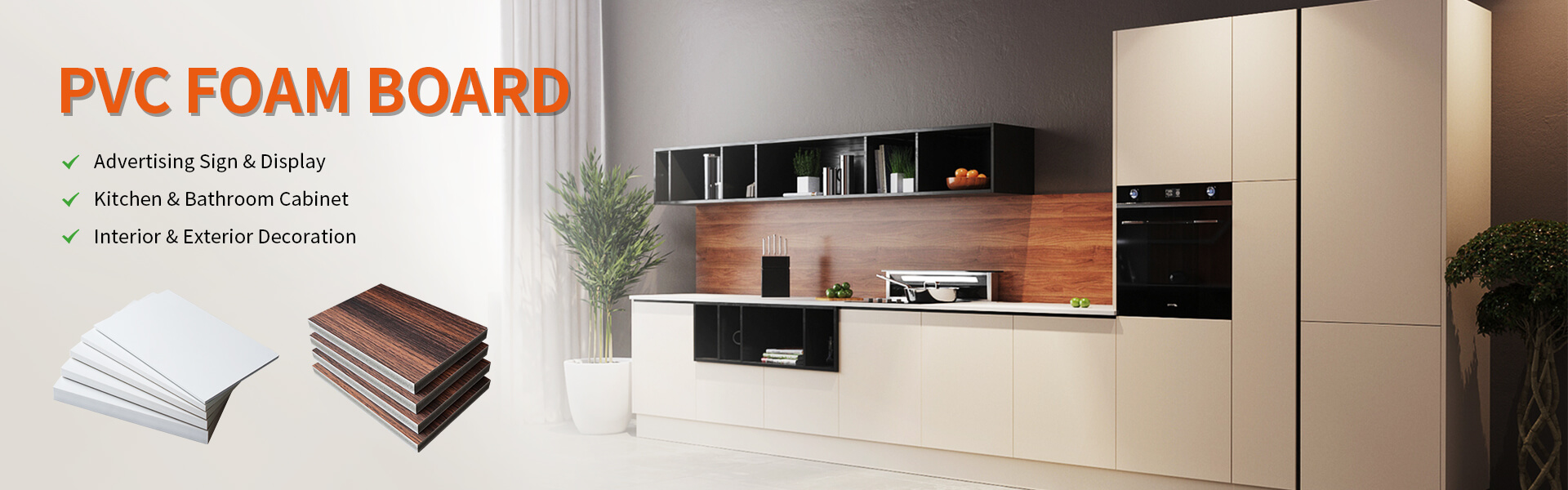
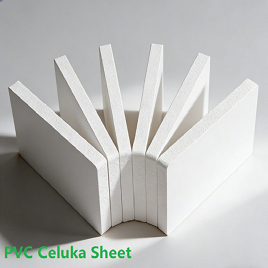
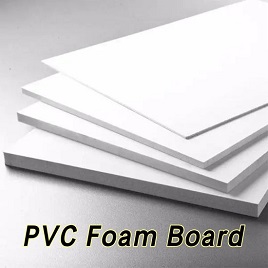
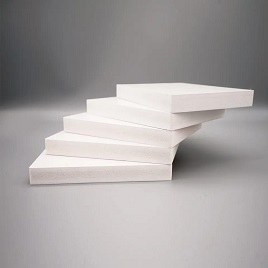
PVC Foam Board: Lightweight with good thermal insulation performance
Solid PVC Board: High density and outstanding impact resistance
Hollow PVC Board: Ultra-light, sound-insulated, ideal for large hanging signage
Key advantages for advertising use:
Excellent weather resistance, resisting UV rays, rain and extreme temperature changes to prevent fading and deformation
High workability for easy cutting, carving, bending and bonding
Smooth surface compatible with mainstream printing technologies
Non-toxic, eco-friendly and fully recyclable, meeting global environmental standards
Competitive pricing with better cost-performance than acrylic and aluminum composite panels
2. Pre-Production Preparation
2.1 Demand Confirmation & Design Planning
First, clarify core project requirements, including application scenarios (outdoor billboards, indoor display boards, store signage, exhibition booths), exact dimensions, visual content (text, images, logos), and service life (temporary promotion or long-term outdoor display).
The design team shall create layouts that are concise, eye-catching and brand-consistent. All text must be clear and legible, especially for outdoor signage with proper font sizing for long-distance viewing.
Critical design reminders:
Outdoor advertising files must use CMYK color mode instead of RGB to avoid printing color deviation
Reserve 3–5mm bleeding edges to prevent incomplete content after cutting
2.2 Material Selection
Select PVC board type and thickness based on actual usage:
Outdoor billboards & large signage: 10–20mm foam PVC board or 5–10mm solid PVC board for strong wind resistance and durability. UV-resistant grade is highly recommended.
Indoor displays & store signs: 3–8mm foam PVC board for easy installation; solid PVC board for high-gloss surface effects.
Temporary events & exhibition booths: 2–5mm hollow PVC board for low cost, light weight and easy transportation.
Quality inspection before purchase: flat surface with no bubbles, scratches or color difference; smooth burr-free edges; uniform density. Foam board must have fine, consistent internal pores for stable printing and structural strength.
2.3 Equipment & Tool Preparation
Printing Equipment
UV printers, digital inkjet printers and screen printing machines for different batch and precision needs.
Cutting & Processing Equipment
CNC cutters, laser cutters, electric circular saws, engraving machines and edge banding machines.
Hand Tools & Auxiliary Materials
Special PVC adhesive, hot melt glue guns, sandpaper, polishing tools, UV-resistant ink, surface primer, waterproof tape, mounting screws and support brackets.
3. Core Production Process
3.1 Board Cutting
Marking: Draw precise cutting lines with rulers and markers; attach printed templates for custom shapes.
Cutting: Use circular saws or CNC machines for straight cuts; laser cutters for curves and special logos. Control cutting speed and keep blades sharp to avoid cracking or surface burning.
Edge Trimming: Polish cut edges to remove burrs; avoid over-sanding foam board to protect the surface layer.
3.2 Surface Treatment
Surface treatment ensures strong ink adhesion and prevents peeling or smudging.
Cleaning: Wipe the board with alcohol or neutral detergent to remove dust and oil, then fully air dry.
Priming: Apply dedicated PVC primer evenly to fill micro-pores and enhance ink bonding. Allow 2–4 hours for full drying, depending on ambient temperature and humidity.
Surface Roughening (if needed): Gently polish high-gloss solid PVC with fine sandpaper before screen printing to improve ink grip.
3.3 Printing
3.3.1 UV Printing (Most Popular)
UV-curable ink cures instantly under UV light, delivering high resolution up to 1440dpi, vivid colors and strong scratch resistance. It supports custom patterns, gradient colors and 3D embossed effects for both small-batch orders and mass production.
3.3.2 Screen Printing
Cost-effective for single-color or multi-color bulk orders with thick ink layers and strong coverage. Suitable for simple text, logos and basic graphics. Strict color registration is required for multi-color printing.
3.3.3 Digital Inkjet Printing
Low-cost option for large-area outdoor billboards with moderate precision requirements. Solvent or water-based ink is applied via wide-format nozzles. An extra waterproof topcoat is suggested for long-term outdoor use.
3.4 Post-Processing
Varnishing: Spray UV or waterproof varnish to boost weather resistance, gloss and scratch resistance.
CNC Engraving & Molding: Create 3D letters, hollow patterns and custom shapes with adjustable cutting depth.
Edge Banding: Seal board edges for humid and outdoor environments to stop moisture absorption and deformation.
Bonding & Assembly: Use professional PVC glue for combined structures; install mounting brackets and hanging parts for on-site installation.
4. Quality Control
Full-process inspection standards:
Raw material check for board flatness, ink quality and auxiliary material compliance
Dimension control with cutting error limited within ±1mm
Printing inspection for color accuracy, pattern clarity and ink adhesion
Post-treatment check for even varnish, firm bonding and neat edge finishing
Final overall inspection before delivery
5. Installation & Daily Maintenance
5.1 Installation Methods
Indoor small boards: double-sided tape; large indoor signs: pre-drilled screw fixing
Outdoor billboards: expansion screws, steel brackets and multi-point fixing for wind resistance
Temporary displays: foldable stands and magnetic mounting for quick assembly and disassembly
5.2 Maintenance Tips
Clean regularly with neutral detergent; keep away from strong corrosive chemicals
Check outdoor installations periodically for loose parts, fading and board damage
Store unused PVC boards in dry, ventilated areas, away from direct sunlight and high temperature
6. Common Defects & Solutions
| Common Issue | Main Causes | Practical Solutions |
|---|---|---|
| Ink peeling & smudging | Dirty surface, uncured primer, incompatible ink | Fully clean panels, let primer dry thoroughly, and use special PVC printing ink |
| Severe color deviation | RGB files, poor printer calibration, low-grade ink | Switch to CMYK mode, test colors first, and use high-quality printing ink |
| Cracked, burr cutting edges | Dull blades, fast cutting speed, fragile board | Use sharp tools, slow cutting pace, and select high-quality tough PVC boards |
7. Environmental Protection & Safety Guidelines
Adopt RoHS-compliant, eco-friendly PVC boards and printing materials
Keep production workshops well ventilated; wear protective masks and gloves during operation
Classify industrial waste; recycle waste PVC boards through professional recycling agencies
Store flammable ink and glue separately; equip fire extinguishers and ban smoking in production zones