


PVC Boards for Bathroom Cabinets: Types, Features, Applications and Considerations
2024-11-17PVC Boards for Bathroom Cabinets: Types, Features, Applications and Considerations
PVC boards used in bathroom cabinets come in two primary types:
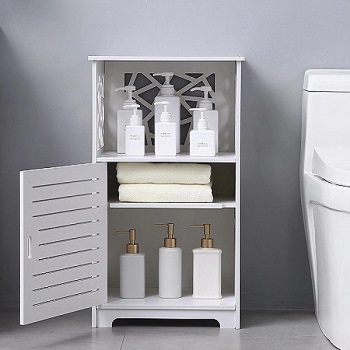
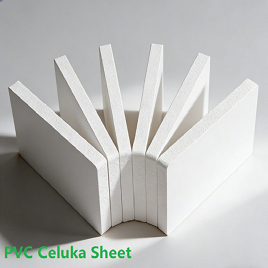
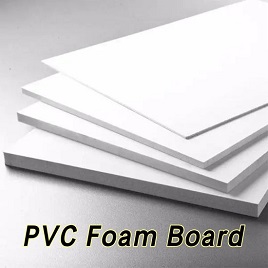
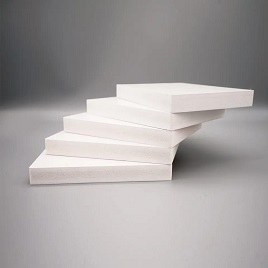
Foam PVC panels: Lightweight and made from expanded PVC, ideal for cabinet interiors, shelving, and lightweight doors.
Composite PVC panels: Engineered from a blend of PVC and reinforcing materials like wood fibers or mineral fillers, offering enhanced stability and strength.
Both types combine the water resistance of PVC with structural integrity suitable for wet environments.
Key Features and Benefits
Water Resistance and Durability
PVC boards are completely water-absorption-resistant, preventing warping, swelling, or rotting common in wood-based materials. This ensures long-term structural stability in humid conditions.
Low Maintenance
The surface is easy to clean with mild detergent and does not require polishing or special care, making it ideal for busy households or commercial spaces.
Cost-Effectiveness
More affordable than solid wood or metal cabinetry, with lower manufacturing and installation costs due to mass production and simple assembly.
Design Versatility
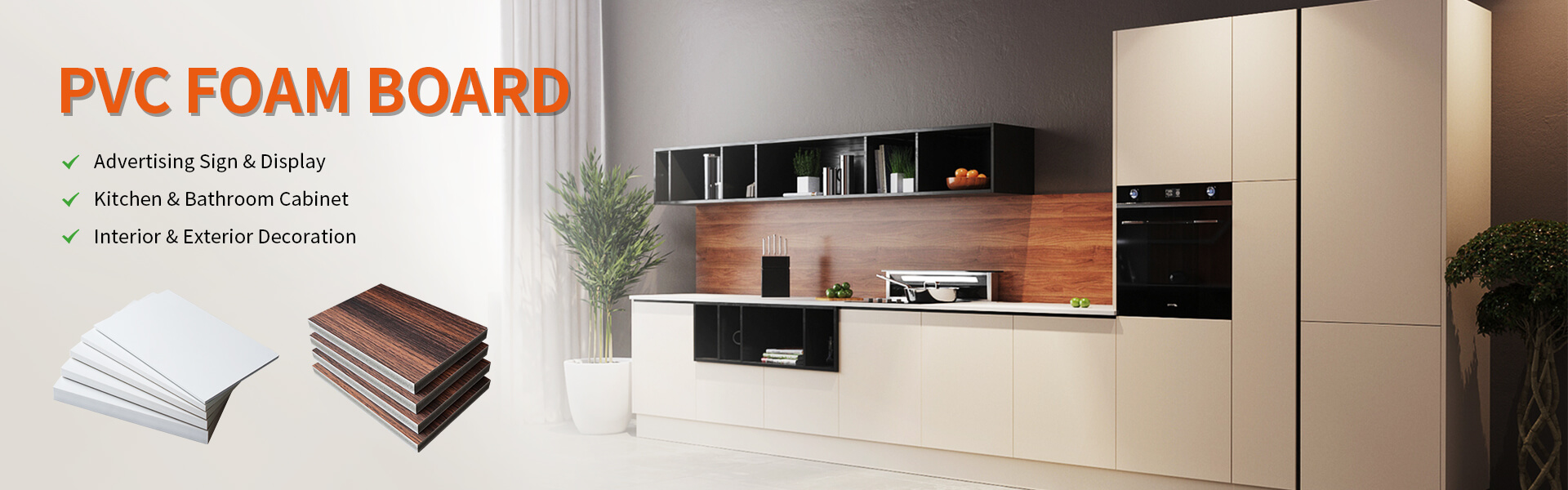
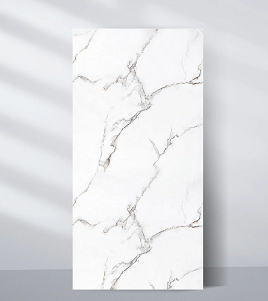
Available in various colors, textures (e.g., wood grain, high-gloss), and thicknesses (3–25mm), allowing customization for modern or traditional styles.
Performance and Applications
PVC foam boards are suitable for structural components such as cabinet frames, shelving, and wall reinforcements, with thicknesses ranging from 3mm (lightweight panels) to 19mm (structural rigidity). Proper installation requires sealing all cut edges with waterproof PVC edge bands or sealant to prevent moisture ingress, extending the cabinet's lifespan.
Additional benefits include:
Fire retardancy: Some boards achieve a B1 fire rating without emitting toxic gases.
Environmental and Practical Advantages: Non-toxic, recyclable, and resistant to insects and corrosion, supporting sustainable development.
Considerations for Use
When selecting PVC board cabinets, ensure edge sealing during installation to maintain water resistance. For commercial or high-traffic areas, composite PVC offers better stability, while foam PVC is ideal for lightweight, budget-friendly renovations.